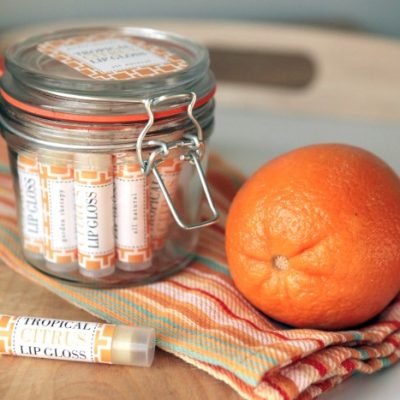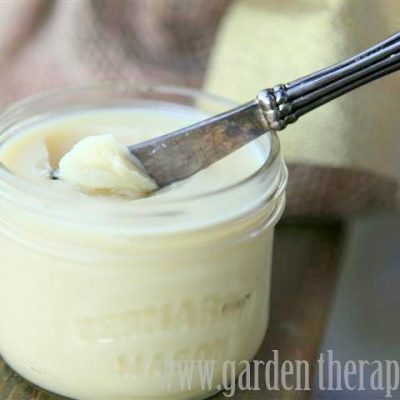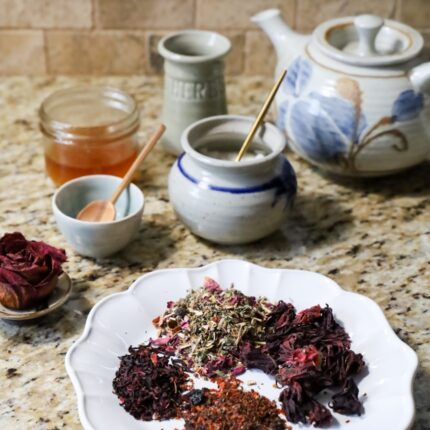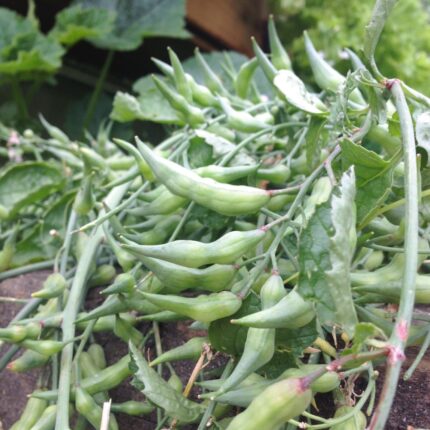
To be able to grow citrus in my climate is a dream. A dear friend passed on a tiny yuzu sprout that he started from seed that I have tucked away in my herb bed hoping for some of this deliciously sour and fragrant Japanese fruit, albeit many, many years from now. This month on the pages of Martha Stewart Living there is an article about stylish California citrus grower, Alta Tingle, discussing her passion for all things lime.
[Read more...]
Search Results for: citrus
The Many Shades of Lime
Citrus Clear Giveaway!!
Citrus is a group of scents that I just can not get enough of these days. I still make up this Mango Citrus Body Butter recipe and I have a whipped version that I will share with you one day soon. Until then, I was sent a group of cleansing products from Citrus Clear and have been using them for a few weeks now.
And you too could get a cleansing package from Citrus Clear! Check out the instructions at the end of the post for how to win one of three gift packs! [Read more...]
Easy Infused Sugar Recipes
Infused sugar smells divine, tastes decadent, and makes a beautiful gift. I made up three recipes to share over at the My Own Ideas blog:
Herb Infused Vinegars
It’s around this time of year, when I the vegetable garden is gone to sleep for the year, that I depend on herbs for fresh favours. I grow such abundance that no matter how much I freeze and dry, I am always left with a whole bunch to give away. This year I thought of sharing herbs in a new way: flavored vinegars. Now my friends and family will have a bottle of my homegrown herbs to last them until next year, when the garden becomes lush and fruitful again.
21 Handmade Mother’s Day Gift Ideas for Garden-Loving Moms
Moms love to get handmade presents from their children. The time and love that goes into creating the present exudes priceless thought and consideration. Whether you’re 2 or 42, here are 21 handmade gift ideas sure to brighten her day.

For moms who love the garden you can surprise her with garden-inspired creations like 1. Block Printed Tea Towels, 2. a Hanging Globe Terrarium 3. Lavender Sachets 4. Serenity Now! DIY Lavender Eye Pillows, or 5. a Salad Bowl Terrarium.
Some moms need a little pampering. Whip up some of these recipes from the Natural Skincare Series and present it in a vintage mason jar. 6. Easy Homemade Bath Salts, 7. DIY Bath Bombs, 8. Simple Sugar Scrub, 9. Cold-Process All-Natural Handmade Soap, 10. Hemp & Honey Lip Balm, 11. Mango Citrus Body Butter
…
If making crafts just isn’t your thing here are some gorgeous handmade items available on Etsy that any gardening mom would love. UPDATE: a few shops are offering discounts to Garden Therapy readers which is listed after the item link – woo woo!
12. Spring Garden Grass Green Half Demi Half Apron $30.00 (Use Coupon Code GARDENTHERAPY and save 15% on aprons and other stuff in http://www.akitschykitchen.com shop), 13. Keep Calm Spoon Plant Garden Marker $10.00, 14. Mini Patio Mix Kit For Miniature Gardens $16.95
15. Garden Therapy Handmade Sunflower Photo Print Pillow $80.00 (use code SPRING for 10% off), 16. Coin purse – Autumn Patchwork print $23.00, 17. Green Leaf Earrings $22.50, 18. Fabric Flower Brooch Pin Yellow Poppy $10.00, 19. Oat and Poppy Scrub Soap $10.00
20. DIY Succulent Wreath Kit $45.00.
21. While these modern plant labels from aHa! Modern Living aren’t handmade, they are just too adorable to not be included.
Weekend Handmade: Trivets to Stepping Stones
We had a great start to Garden Therapy Book Club with lots of readers visiting and commenting on the recipes from A Green Guide to Natural Beauty + Mango Citrus Body Butter Recipe and Hemp & Honey Lip Balm. The selection is a book that I’ve been very excited about reviewing: Weekend Handmade, by Kelly Wilkinson.
On the jacket, it describes Kelly Wilkinson as a “craft designer and journalist” with projects appearing in many stylish blogs like Apartment Therapy and Design*Sponge. Since the title and cover reminded me of the Weekend Project that I post here each week, I was pretty jazzed to dig in.
Hemp & Honey Lip Balm
This week I tried another recipe from the current Book Club selection, A Green Guide to Natural Beauty, Hemp & Honey Lip Balm.
For ages now I’ve been making manuka honey lip balm because of the extraordinary healing properties of the magical golden goop. Hailing from New Zealand, manuka honey comes from bees that pollinate the Leptospermum scoparium, a shrub or small tree that can grow up to 4m tall with profuse star-shaped flowers. Manuka honey is claimed to have anti-bacterial, anti-fungal, and anti-microbial properties. Applied topically, it is said to promote healing and reduce inflammation, with some sources saying it even prevents or heals the cold sore virus. While I’m not able to quantify these claims, I can say that it makes a darn good lip balm and that’s good enough for me.
Photo credit: Avenue
Raw manuka honey is rated using “Unique Manuka Factor” (UMF) that rates the antibacterial factor. I generally use UMF 16+ as that is the highest that is sold in these parts.
Now the book clearly states that this recipe makes a softer lip balm, suitable little pots not tubes, but since I only had tubes I added more beeswax and some carnauba wax. It is still a bit soft but holds up fine in the tubes if you don’t smash it on your lips like my dear husband did this morning. The worst that’ll happen if you are a bit rough is you’ll get a bit too much applied but it will still hold its shape.
Hemp & Honey Lip Balm
adapted from A Green Guide to Natural Beauty recipe p. 65Ingredients:
- 15g beeswax
- 1g carnauba wax
- 10g cocoa butter
- 5g shea butter
- 20ml almond oil
- 5ml hemp oil
- 10ml manuka honey
- 8 drops citrus essential oil
Equipment
- Double boiler
- Metal spoon
- Small glass jug
- 12 lip balm tubes or 4 pots
- Digital kitchen scale (this wasn’t listed in the recipe but it is essential for weighing your ingredients)
- Milk frother
Instructions:
1. Melt the beeswax, carnauba wax, cocoa butter & shea butter in the double boiler along with the almond oil.
2. Add hemp oil and honey and stir until liquid. The recipe notes that as honey is not soluble with oil, it won’t totally dissolve with heating and needs to be mixed with the milk frother.
3. Remove from heat, add essential oils, and blend with the frother while the mixture cools but still pourable.
4. Pour into tubes and leave untouched to set.
Review 4.5/5
Almost perfect! This recipe is really wonderful and made a very moisturizing lip balm that feels silky and lasts a really long time, hours actually.
There were two small issues that added up to the half point from perfect rating. First, the hemp oil aroma is, well, hempy. Yick. So that’s why I added the essential oils. I wish the honey had a stronger aroma but…the second issue was that they honey really doesn’t combine that well. I’m pretty used to this from making lots of honey lip balm. In my experience the honey sinks to the bottom of your jug, even with mixing constantly, and by the time you fill the last tube it’s just a sticky honey mess (shown below). There is definitely some honey in the rest of the tubes though, you can tell just by licking your lips.
There are also a few other interesting looking recipes in the book: a bee-free version, cocoa butter lip balm sticks, and chocolate orange lip pots (um, yummy). Please drop me a note if you try any of these, I’d love to hear all about it.
Previous recipes tried from this book were the Apricot Face Scrub (2/5) and Mango Lime Body Butter (5/5).
Please check out the Garden Therapy Book Club page for more information on our next book, Weekend Handmade.
A Green Guide to Natural Beauty + Mango Citrus Body Butter Recipe
It’s time to review our very first Garden Therapy Book Club book, A Green Guide to Natural Beauty: 35 step-by-step projects for homemade beauty by Karen Gilbert.
There are many different types of books we will be looking at in Book Club, but when the book is DIY or project-based, then the best way to test it out is to give the projects a try. As the title suggests, A Green Guide to Natural Beauty boasts 35 different natural beauty projects, which made it very appealing given that I’ve been aiming to make as many of my bath and body products as I can. As part of the Natural Skincare Series I’ve shared recipes and tutorials for soap, scrubs, and bath products all made with natural ingredients, and where possible ingredients from my garden.
First and foremost this book is beautiful. The photography is stunning and while those who love lots of bright colour may find the pages a tad on the beige side. There is a reason for this, however, as the projects listed use natural ingredients (read: no crazy colorants or unnatural fragrances). I’m happy to keep my colour in the garden and the purest products on my skin, so I really the look of natural-coloured skincare products. The first chapter of this book discusses natural skincare in detail: equipment, ingredients, preservatives, and shelf life. All in all this is a great summary and provides a great deal of background into the benefits (many) and drawbacks (mainly preservatives and shelf-life) of natural products. This section is worth a good read.
The rest of the book covers recipes and detailed instructions with photos on Chapter 2: For the Face, Chapter 3: For the Body, and Chapter 4: Bath and Shower.
I picked two recipes to try: Apricot Face Scrub (Chapter 2) and Mango Lime Body Butter (Chapter 3).
Apricot Face Scrub Recipe p. 60
This fairly simple recipe only required a few minutes to make, as long as you have the ingredients. The ingredients aren’t that common, but since I have a natural products guru who I buy from, I was able to secure everything quite painlessly. The concept is to mix apricot kernel oil, caster oil, and manuka honey with kaolin (white clay) and ground rice to make a paste. They drawback with this recipe is that it will only last a few days and must be stored in the fridge to preserve it, so Karen suggests making only a tiny quantity at a time.
Review 2/5
While the recipe is super easy to make, all-natural, and fairly inexpensive, I didn’t like the feel of the product. The ground rice is a bit harsh on the skin (she suggests trying ground oatmeal for a gentler scrub), and the oil leaves my face feeling unpleasantly greasy. I’ve used it every day for a week and must wash afterwards with my homemade soap. My face feels pretty good after washing a second time and moisturizing but I am still on the lookout for a different cleanser/exfoliatant recipe that suits my needs more.
Mango Citrus Body Butter p. 78
This recipe is listed as mango and LIME body butter, but I added a citrus essential oil blend which had an even balance of lemon, lime, sweet orange, and tangerine.

Ingredients:
- 10g beeswax or jojoba wax
- 25g cocoa butter
- 30g shea butter
- 25 g mango butter
- 1 tsp almond oil
- 1 tsp vitamin E
- 20 drops citrus essential oil (recipe suggested 10 lime, 5 sweet orange, 5 lemon)
Equipment
- Double boiler
- Metal spoon
- Airtight 100ml jar
- Digital kitchen scale (this wasn’t listed in the recipe but it is essential for weighing your ingredients)
Instructions:
1. Melt the beeswax, cocoa butter & mango butter in the double boiler. Leave mixture over a gentle heat for 20 minutes to prevent the butter from going grainy when it cools.
2. Add the almond oil and vitamin E and heat for a few more minutes until completely liquid.
3. Remove from heat and add essential oils, stirring thoroughly
4. Pour into jars and leave to set.
Review 5/5
Five stars! This recipe is great. It’s easy, smells delightful, and makes your skin feel amazing. Some people may be adverse to the oilyness that takes a bit of good massaging to rub in, but I don’t mind in the least. My skin feels delightfully soft if I apply right out of the shower and it is even healing my dry heels after a week of use when no other moisturizer has.
In summary, I liked this book a great deal and I may try a few more recipes. I will post about them if I do. In the meantime please share your experiences with the projects listed here or in A Green Guide to Natural Beauty, if you have a chance to try out the recipes, by leaving a comment on this post.
Update June 28, 2012: Check out this and some other great body butter recipes at Revitalise Your Health‘s article on the Top 3 Best DIY Body Butter Recipes. I want to try the whipped coconut butter next!
Book Club
Current Book
Succulent Container Gardens: Design Eye-Catching Displays with 350 Easy-Care Plants
Upcoming Books
~
Past Books
The Care and Handling of Roses with Thorns by Margaret Dilloway
~

Homemade Soda Book Review and All-Natural Root Beer Recipe
~
Check out the book review and projects here: Book Club: The Year-Round Vegetable Gardener by Niki Jabbour
~
Check out the book review and project here: Terrarium Craft Review & Salad Bowl Terrarium Project
~
Check out the book review and projects here: Weekend Handmade: Trivets to Stepping Stones
~
Check out the book review and projects here: A Green Guide to Natural Beauty + Mango Citrus Body Butter Recipe AND Hemp & Honey Lip Balm
~
Check out the book review and projects here: Concrete Garden Planters & Stepping Stones
~
About
I learned to garden at the library. Well at least that’s where the guidance came from: the books. When I was forced to stop working due to illness, both budget and boredom had me leaving the library with an armload of books on some gardening-related topic to learn about. Then through multiple trials and failures and successes, I started to get my feet (or should I say thumbs?) Now, as I sit in my Master Gardener’s course I’m surprised and delighted at the knowledge that can be gained through self study and practice.

Even though my gardening knowledge has a great foundation and soon you will have to call me “Master” (which I swear is not the only reason I’m taking the course), the library trips haven’t stopped or even slowed down. Just today I picked up a bunch of new books with sewing projects as I hone my skills at my machine. Plus I have a great big pile of wonderful gardening and garden-related craft books that I’ve been sent to review.
This is the inspiration that brewed the new Garden Therapy Book Club that will be launching, heck, let’s launch right now!
I’m not totally sure what the book club will look like in a few months time, but for now I’ll start with this: I’ll select a book every week or so to feature and review. I’ve spent a fair bit of time out there searching for great books and interesting projects so I have a large selection to get us started. If the book has projects in it I’ll give one or two of them a try and post the results. Then, you can get a feel for if the book would be a fun for you as well, and maybe inspire you to get out for a little garden therapy. All the books I recommend will be on this Pinterest board so you can find them easily.
If you decide to get a book on the reading list, get in touch with your review, thoughts whatever. You can leave a comment, send some photos, or send a link to a project you tried from the book and I’ll post them up here.
Here’s a Disclaimer: I do fully support using the library or buying the book wherever you prefer. That being said, I will add links to the books on Amazon and if you buy the book from there I will get a small commission. No pressure. Anything that I make will just to help pay for new books and materials for my projects, the tutorials on this site for which I provide for free. Some of the books are sent to me for review as well, which will not affect my review of the book. If I love the book or hate it, I’ll disclose either way. Never fear, I’m not doing this to generate great gobs of income (ha!) and will not be “pushing” books. The goal is to have fun and I hope you will join me.
Block Printed Tea Towels
Cotton flour sack tea towels are my absolute favorite in the kitchen but they need a bit of pizzazz too. With the help of some fabric paint and a lino block or stamp, this simple project adds some sunshine to kitchen chores. For this weekend’s project, grab some materials and make some of your own. WARNING: printing is addictive. Soon you will be doing napkins, placemats, table cloths, curtains, clothing….
Materials:
- Flour sack tea towels (ironed)
- Fabric Paint
- Paint roller / brushes
- Linoleum block or rubber stamp
- Old towel and large plastic bag (freezer bags are good, plastic shipping envelope used here)
- Paint tray (top of a salad box used here)
- Iron
Directions:
1. Mix up your paint colour using fabric paints which are intended to heat set to withstand washing and use. Roll jus
t a wee bit of paint onto your stamp or block. A little goes a long, long way but too much paint will make your print gloopy (i.e.: bleed outside of your intended design).
2. Set up your printing area by folding the old towel over a few times and covering it with the plastic bag. This is so there is a bit of give below the fabric you will be stamping, ensuring a nice even transfer.
3. On a piece of paper or some scrap fabric, do a test print on your bag/towel block to ensure you get the color and the amount of paint needed right. I didn’t like the double stem on my original design so I adjusted the top before printing the fabric. Like the results? Then on to the next step.
4. Time to print your fabric! Stamp it like you did the paper and set aside to dry.
5. The final step is to heat set your beautiful creations with a dry iron for about 5-10 minutes. Once that’s done, your tea towel can be used, washed, and dried.
Here is the final design from the linoleum block that I carved (which by the way is also addictive!):
And here is the result from a rubber stamp: