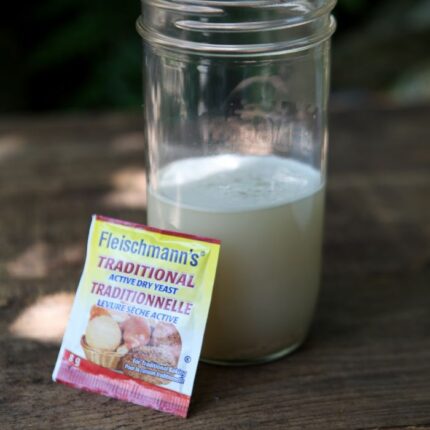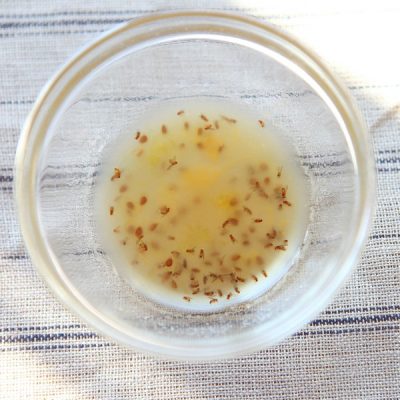
This fruit fly trap will clear out your kitchen in no time at all and it’s super easy.
Build a Bug Hotel
A bug hotel is part garden art and part winter habitat for beneficial insects. Here is how to make one for this weekend project.
Tomatoes Under Seige
Finally some nice weather has me outside to check on my newly transplanted early tomatoes and WHAT THE?!
The wilty and pale sad little transplants looked perfectly healthy 2 days ago.
I pulled one up to replace it with a backup and WHAT THE %$^&%$%^&*?! There’s worms eating them from the inside out.
I think this one is actually drooling….
I dug around in the soil only to find a whole bunch of these ugly critters. I had planted lettuce transplants early in the season in the same raised bed which all mysteriously disappeared days after planting. I blamed the slugs. I killed LOTS of baby slugs to terrify the other hidden slugs. But could it have been these nasty little wireworms that ate my lettuce?
Gardeners out there: help me, please! What are these worms and how do I rid my nice, organic garden of them?
Strawberry Planter Visitors: Root Weevil Grubs
I finally got back out into the garden today and revisited some completely neglected projects, like my hanging strawberry planter. To my surprise, the plants were not doing as well as I thought they would after a winter break. Many were dead and the ones that remained had weak root systems. I rooted around in the planter a bit and found some unwelcome visitors to be the cause: Strawberry Root Weevil grubs. Ick!
The beauty of keeping strawberries in a container is certainly the ease of replanting it all (although it did take me a few hours to empty out the planter, dig through the soil, and pick out the grubs). My planter is now weevil-free and here is what was left over…
…just enough for my backyard birds: a high-protein meal of gourmet grubs served up in a terra cotta plant saucer for easy pickin’s. Lucky birds!
Carrot Rust Fly
How to Grow Carrots
Well don’t ask me. This is what my carrots looked like this year: riddled with tracks from the disgusting, putrid, foul, menacing carrot rust fly. Those little buggers can sniff out a carrot with superhero powers so I planted carefully and didn’t have to thin them (thinning releases the smell and attracts the flies), but the females still found my carrot patch, layed eggs and a week later the larva fed on the hidden roots. Bummer.
The steps to avoid damage range from scientific to witchcraft, so trial and error is your best bet. Here are a few suggestions:
1. Cover your crop with a lightweight, permeable row cover that will let both light and water in, but keep flies out.
2. Rotate your crop as a good practice for all veggie gardening to reduce instance of disease, pests and nutrient depletion.
3. Plant a fly-resistant variety like Fly Away which they don’t like that much. Then plant another patch farther away of bait carrots that they will hopefully choose instead.
Clearly I’m not doing well at all in the carrot department but this year the carrots are planted in a new location and will have a row cover to keep those vile, hated, stupid flies out.
Me: 0 ; Carrot Rust Fly: 1