Cold-Process All-Natural Handmade Soap

Update:  If you don’t have the time to try these great recipes, I’ve put some extras on Etsy:  Sampler Pack of 4 Handmade All Natural Soap Bars. Each includes the three recipes in this post plus a Lavender Chamomile Moisturizing bar.  There are 2 sets of each so act fast if you want them!

Handmade Soap on Etsy

Now back to the original post…

~

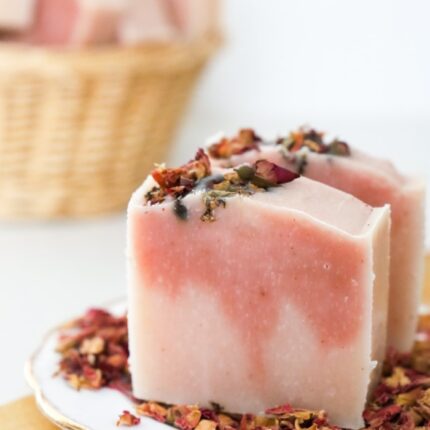
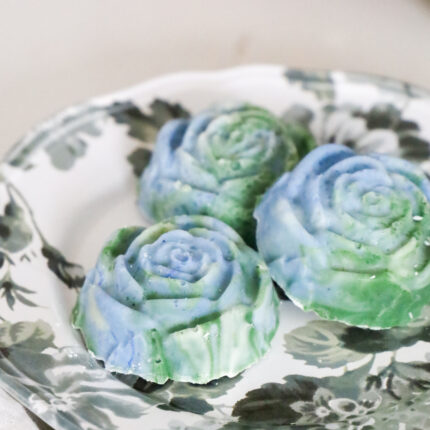
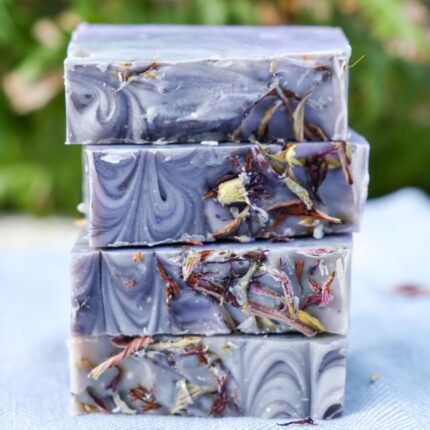
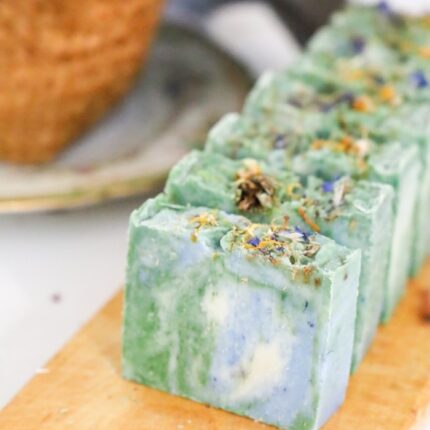
Nourishing all-natural soap makes a wonderful gift for yourself and others.  Check out these recipes for Lemongrass Ginger Coffee Kitchen Soap, Rosemary Spearmint Energizing Shower Soap, and Orange Vanilla Cinnamon Soap.   With natural vegetable ingredients, pure essential oils, natural colours, and herbs from the garden, you can feel good about taking care of those who use your handmade soap.

Ingredients


Start with a basic soap making recipe such as these available on the Internet:

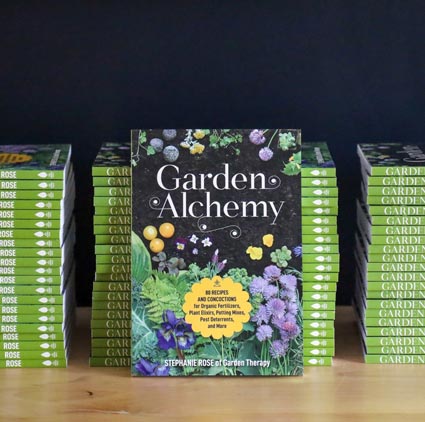
Or through a book:

Or use a pre-weighed soap making kit like this Natural Soap Making Kit or this Shea Butter Soap Making Kit.  If you are in Vancouver, you can get a great kit with all natural ingredients from Scentimental Creations.  This is simply the easiest way to successfully make soap in a short amount of time.

Soap Making: Cold Process Method

1. If you are not using a kit, the first and most crucial step in cold-process soap making is to weigh the raw ingredients (fats, lye, water) precisely.  Prep everything that you will need and lay it out accessibly before you begin.

.
.

2. It’s best to wear protection when making soap as lye can burn your skin.  Until the oils and lye have turned into soap (48-hours after making the recipe) it’s best to protect yourself.  Always wear rubber gloves, safety goggles, and keep area free from kids and pets.

3. OILS: Gently (aka slowly) heat oils in a stainless steel pot on the stove.   Alternatively, use a microwave and heat for 2 minutes on high, and then at shorter intervals until you reach the temperature listed in the recipe.

4. LYE: Using room-temperature distilled water, weigh the amount specified by formula into a heat-resistant glass bowl or large Pyrex measuring cup. While stirring, slowly add measured amount of lye. SLOWLY. Stir until dissolved.  This mixture will get super hot and quickly so be mindful of that. Also, the fumes are terrible, so if you can stir from below the fumes (with lye on the counter and you crouching below as you stir) with windows open that would be best.  Place glass containing in an ice water bath and cool to required temperature.  Get accurate temperature readings with a candy thermometer in the middle of the solution.

5. When both oils and lye/water are at the required temperatures (as stated in your recipe), slowly pour lye/water into the oils while rapidly stirring in small circles.  Always add lye/water to oil, not the other way around.

.

.

6. Continue to rapidly stir the mixture until it thickens to the consistency of pudding (called tracing).  The mixture is ready to be molded when a drizzle mark from the spatula remains for a few seconds on the top of the mixture.  Speed up the tracing process by using a hand blender to mix. Be careful not to over mix.

7. Add essential oils, natural colorants, and herbs or exfoliants at this stage (see recipes below).  Work quickly as the mixture will quickly start to thicken.  The ingredients you add should be good for your body so avoid perfumes, fragrance, and artificial colors.  Your hand-made natural soap is best scented with pure essential oils and colored with natural dyes as outlined in the recipes.

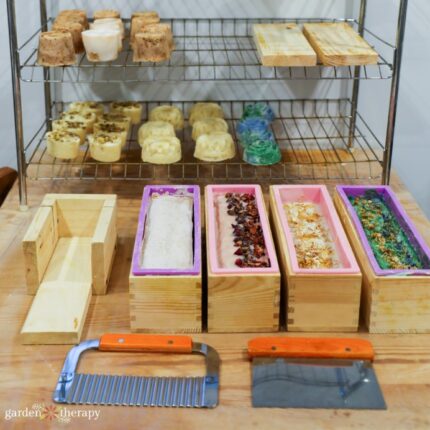
8. Pour mixture into 1L milk cartons and staple the tops shut.  Wrap the cartons in a large towel and set somewhere warm for 48 hours like the top of the fridge.  The cartons will feel warm and will get hot as the mixture neutralizes and turns into soap.

.

.

9. To unmold your soap, peel off the milk cartons and cut each full 1 liter carton lengthwise into 3 equal sections for shower soap, and 4 equal sections for hand soap.  Flip each section so that it appears to be a square from the top, and cut into 3 equal sections.

10. Place each bar on a wire rack in a cool, dark place to cure for 3 weeks.

11. After 3 weeks, soap can be buffed with a cotton cloth and wrapped for gifts.

Soap Recipes

Lemongrass, Ginger, and Coffee Kitchen Soap

  • Add 1 tablespoon dry, finely ground coffee at trace
  • Scent with 15ml lemongrass and 5ml ginger essential oils
  • Colour with turmeric

Rosemary and Spearmint Energizing Shower Soap

  • Scent with 10ml rosemary and 10ml spearmint essential oils
  • Colour with sage powder
  • Gently stir in spirulina powder to make a darker green swirl

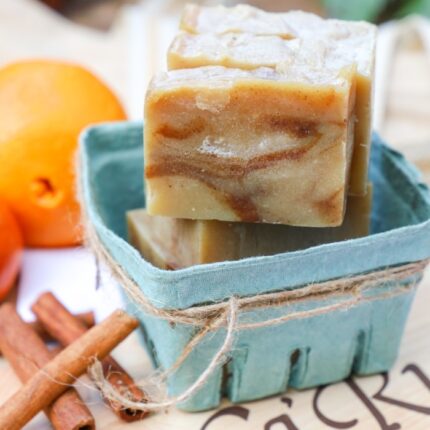
Orange Vanilla Cinnamon Soap

  • Add 1 tablespoon dry, finely ground coffee at trace
  • Scent with 7ml orange, 7ml cinnamon, and 7ml vanilla essential oils
  • Colour with cinnamon
  • Gently stir in cocoa powder to make a chocolate color swirl


Share
2012 (c) Copyright Garden Therapy