Homemade Bourbon Cranberry Sauce Recipe

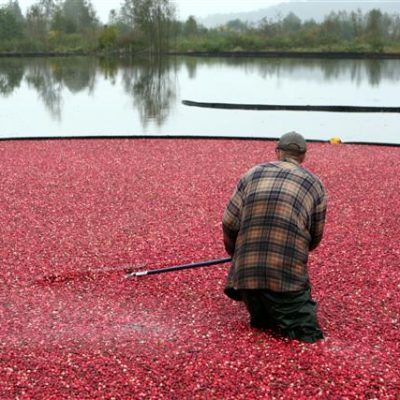
Did you know that British Columbia is the 3rd largest producer of cranberries worldwide?  BC produces about 17 million kilograms of cranberries annually on about 50 family farm operations.  Just a short drive away from Vancouver there are cranberry bogs that you can check out.  They are just beautiful in mid-autumn when the bogs are flooded and all the ripe cranberries float to the top of the bog, get corralled in, and are harvested.  Each year we head down to Fort Langley and buy bags of cranberries straight from the farm.  They freeze well and are a delicious addition to baking and savoury cooking alike.

With American Thanksgiving coming up this week, I thought I’d share my homemade bourbon cranberry sauce recipe.  We gave jars of this away to each of the guests that joined us for Canadian thanksgiving back in October.  The recipe is intended for canning so you (and your guests if they are lucky enough to take a jar home) can store in the cupboard until Christmas or Thanksgiving next year.  Don’t forget to dress up your jars with some adorable canning labels you can download and print on label paper.  Here is a custom design for this recipe:  Garden Therapy Bourbon Cranberry Sauce Labels.

Ingredients:

  • 6  cups cranberries
  • 1 1/2 cups sugar
  • 1/2 cup water
  • 1 tbsp red wine vinegar
  • 1/2 cup bourbon
Directions:
  1. Combine sugar, water, and vinegar in a tall-sided saucepan and bring to a boil over high heat.
  2. Stir until the sugar is dissolved, then add cranberries.
  3. Return to a boil, then reduce heat and stir rapidly uncovered for 5 minutes until cranberries burst.
  4. Stir in bourbon.
  5. Ladle into hot jars leaving 1/2″ of headspace.  Process in a boiling water canner for 15 minutes for 250ml (1 cup) jars.

Makes three 250ml (half pint) jars or six 125ml jars.

We’re participating in these linky parties or blog hops.

Share

November 21 2011 | Canning and Harvest | 19 Comments »

Garden Therapy Handmade: Now Open!

We are so proud to announce the launch of Garden Therapy Handmade on Etsy.  This labour of love involved combining the passion for gardening, photography and home décor into one unique project: Studio Blooms.

But a harvest?  Why, yes!  Flowers were grown in our home garden, photographed in studio, then enlarged to mammoth proportions in order to showcase the magnificent details of each individual flower.  The photographs were digitally designed to be giclee printed on a beautiful linen-cotton canvas and sewn to perfection.  Little details like expensive hidden zipper closures and feather/down inserts were taking into account.  Then each one was hand washed, dried, and ironed, ready to go to it’s new home.

Was it easy?  Um, well, no.  There were months of prints and reprints to get just the right detail to each inch of fabric.  There was wash testing.  There was cuddle testing (that was a particularly tough one).  In the end, it was so worth it.  We think these soft but durable pillows are the perfect art for the home.  We hope that you agree!

Please visit the Garden Therapy Handmade store to check out all the designs, 9 in total.  Favoriting, liking, tweeting, or any other social media sharing would be greatly, greatly appreciated and happily returned in kind.  And thank you for your support.

Share

November 14 2011 | Flowers and Garden Therapy and Photography | 14 Comments »

Personal-Sized Apple Pies

This past weekend we served up freshly harvested apples as mini pies topped with dulce de leche ice cream and caramel sauce.  Personal-sized pies offer modern take on apple pie and ice cream that adds just enough flair to top off an elegant autumn dinner.  And, really, who doesn’t like getting a whole mini pie all to themselves?  Here is the recipe for 12 of them:

Basic Pie Crust 

Ingredients

  • 2 cups all-purpose flour
  • 1 cup salted butter, cut into small cubes
  • approximately 1/2 cup ice water

Directions

Cut up the butter into cubes, lay them on a small plate, and stick them in the freezer. The longer in advance you do this, the flakier your crust will be.  We like the butter to be fully frozen when we use it.

In a food processor, pulse the flour to mix, then add the butter and pulse about 10 times (until the mixture resembles a coarse meal with chunks of butter still visible). Add ice water, a tablespoon at a time and pulse to mix.  Combine just until the dough holds together when pinched with your fingers and there are still butter bits visible although no larger than small peas.

Turn the dough onto a floured surface and gently form into a large square and cut into 16 evenly-sized pieces.  Gently and quickly so that you do not melt the butter or overwork the dough, form the 16 pieces into disks and wrap each in plastic.  Refrigerate for at least 1 hour.


Mini Apple Pies

Ingredients

  • 1/4 cup all-purpose flour, plus more for rolling
  • 2 tablespoons fresh lemon juice
  • 8-10 mixed apples (some tart like Granny Smith, some sweet like Gala)
  • 1 cup brown sugar
  • 1 teaspoon ground cinnamon
  • 1 egg, beaten

Directions

Preheat oven to 375 degrees.

Roll small disks of dough on a lightly floured surface, into an 8” circle, handle lightly and keep cool in the fridge until ready to roll each piece. Carefully fit 12 of the disks into jumbo muffin tins or wide mouth canning jars, gently lowering dough into bottom and sides of pie plate without stretching. Gently fold and pinch the dough so that it creates a cup form with a thick edge. Refrigerate.

Place lemon juice in a large bowl. Peel, core, and slice apples 1/8 inch thick, tossing them in the bowl as you work.  Add sugar, cinnamon, flour and toss to combine.  Transfer apple mixture to pie crust, pressing in firmly.

Roll out the remaining 4 disks of dough and cut into 4” strips.  Layer four strips per pie in a lattice pattern and brush with egg.  Bake until golden and bubbling, approximately 25-30 minutes, Cool before serving.


We also made the dulce the leche  ice cream and sauce, but those recipes will have to wait for another day.  In the meantime, try out our absolute favourite vanilla ice cream recipe.

Come join Love the Pie with TidyMom  sponsored by Cherokee USALe CreusetWilton,Bags by Bloom and  Harvard Common Press


Share

October 16 2011 | Baking and Harvest and Recipes | 7 Comments »

Late Blight vs.Tomatoes

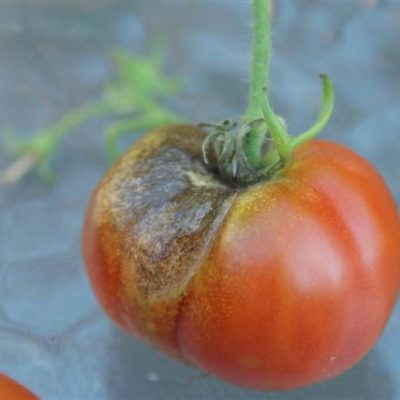
The race is on.  It’s the time of year when you encourage (plead) with tomatoes to ripen before they succumb to the horrors of Late Blight.


It first starts with a few yellowing leaves. Yikes.  Remove these right away!

Then a few brown leaves and whitish-grey powder (spores) can be seen.  Ack! Remove these immediately!  At this point you could also top the plants by cutting the main runnier to prevent more flowering and send the plants energy into fruiting.

Sadly, there will start to be grey-brown spots on the stems which means the race has heated up.  Cut off the stems that you can, and if the blight is widespread, begin defoliating the plants to allow all the plants energy into ripening the tomatoes.

It all happens so fast.  You can go from lush green plants with many hidden tomatoes (August 2011), to sad looking sticks with ripening fruits (September 2011) in no time as seen in these photos of our raised bed tomato garden and self-watering container tomato garden.


Generally, we win the race and see late blight as a reality of growing tomatoes.  Taking the proper precautions in the beginning of the growing season will greatly improve your odds.

  • Rotate tomatoes to different parts of the garden each year.  It takes 3 years for the fungus to leave the soil.
  • Grow healthy plants:  start plants off strong as seedlings, and feed and water them well through the season.  Healthy plants are the best defence to disease and pests.
  • Keep the leaves dry by watering the soil below as opposed to top watering.
  • Grow plants undercover such as under a greenhouse, plastic dome, or roof overhang.
  • Wash tools every time you use them, particularly when snipping off the blighty bits.
If you must remove green tomatoes, many can be ripened on a warm windowsill.
.
.
When they are ready, those that haven’t been gobbled up fresh, made into sauce or salsa, can be wiped down and frozen whole for a winters’ worth of recipes.
.
.
So far blight has taken about 5 of our tomatoes, out of the hundreds that we have harvested off 40 plants.  Take that, Blight.
Share

September 19 2011 | Gardening and Growing Food and Harvest | 2 Comments »

A Smaller Harvest, But Just Enough

Since I gave up the community garden plot this year, I actually have a larger harvest than last year at this time.  A little care and attention to the home gardens is certainly paying off.  I’ve been enjoying the home gardens so much more, they are less neglected and full of beautiful flowers that I enjoy everyday.   I have 40 tomato plants growing in every nook and cranny, and that seems to be overkill.  It was hard to cull the seedlings, or even choose between the varieties when seeding them, but now that I have mountains of tomatoes ripening every day, I’ll remember this and diversify next year.


This week I cut all the basil to make pesto which I freeze for the winter.  With the high price of pine nuts, I’m now using walnuts.  I also have just enough beans, blackberries, alpine strawberries, and ground cherries for snacking on and meals.  I pick the numbers shown (except the basil) every day right now, so certainly there is no wanting for fresh fruit and veg around my house!


Share

September 06 2011 | Growing Food and Harvest | 2 Comments »

It’s Canning Season

It’s that time of year again that keeps my hands and my senses overloaded.  I hoard fresh produce when I see it at a market or farm, or by climbing my neighbour’s trees like a squirrel and collecting way to0 many figs, or by diving deep into the wild blackberry brambles for fresh blackberries.  I can’t help it.  It’s a compulsion.

Here are a few photos of the harvesting frenzy for the last full week of August.  How can you blame me for stocking up?

Figs are abundant again on my neighbours tree although not as much as they were last year.  I made balsamic, fig, & rosemary preserves, dried figs in my dehydrator, and plan to make whole figs in a balsamic syrup.

I picked up pickling cukes at a farm this year for the first time and they are pickling away in my dining room.


My secret blackberry picking spot was loaded this year so I made blackberry pie, blackberry jam, blackberry & blueberry jam, and froze some for baking and ice cream.


The tomatoes are staring to come in as well, some of which have seen dehydrated, others made into sauce for the winter.


Any other squirrels out there stocking up for the winter?

Share

August 29 2011 | Canning and Growing Food and Harvest | 6 Comments »

The First Tomatoes

It’s not much of a harvest but with our cold rainy summer at least it’s something: our first bowl of mixed heirloom tomatoes. They are mainly Tumbler, but there are a few Orange Cherry and Golden Rave (a 2-bite yellow Roma). Hoping for more next week!

20110815-025137.jpg

Share

August 15 2011 | Growing Food and Harvest | 3 Comments »

Harvesting Community Garden Roots

This week we thawed out from that crazy November snowfall and I jumped at the window of opportunity to dig up the rest of the root veggies from the community garden plot.   It was a very beautiful day at the garden.  Even though the plots are a mess I found it quite romantic with the setting sun beaming through the skeletons of  our summer gardens and sky-high pampas grass.


It felt great to get out and dig in the soil, and harvesting is always fun.  While I was disappointed to only have a few pounds of potatoes, I did get a bunch more Gladiator parsnips and a ton of various beets that I didn’t expect.  I roasted up this bunch of roots for a family dinner tonight.

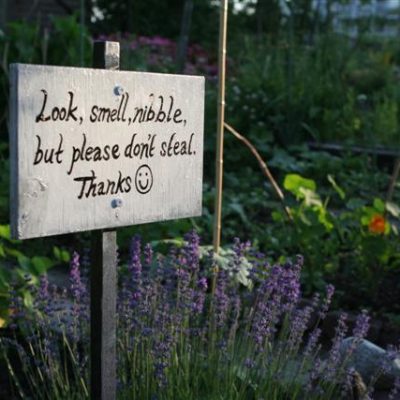
Now that the community plot is officially put to bed for the winter I wonder weather I want to keep up the space again next year.  I have enough room to grow a small variety of veggies at home and while I love gardening with the community members, it has lately been feeling more like a chore.  Much of the food at the gardens gets stolen, many say because of the part of town we are in (notorious for homelessness and drugs) but sadly, the folks that I’ve seen steal are (gasp) other gardeners or visitors in suits who drive Hondas and show off their knowledge of growing food by cutting off all my garlic scapes or plucking a pumpkin.  Mostly the thieves are foodies with a sense of entitlement and little concern for community.  So that sucks.


Then there’s the growing conditions.  The soil is poor and disease is rampant.  Without daily weeding the plots are soon overrun with buttercup, horsetail, bindweed and in some cases the dangerous giant hogweed.  This year I just wanted to grow squash.  I ended up planting 10 types of squash and got about 12-15 orange spaghetti squash and downy mildrew killed the rest.  I did also plant strawberries, potatoes, artichokes, tomatoes, beans, celeriac, beets, parsnips, peas, fennel, carrots, garlic, leeks, and kale, so I strayed from my focus and got a little of everything (except the celeriac which was a big failure).  It’s fun to bring home fresh veggies and I haven’t really shopped for any in the grocery for the last 5-6 months.  The number and variety of what is left after theft and disease is just a taste.  Despite a valiant effort–I added manure to the soil, a bacterial / fungal mix that we bought at the farmers market and compost compost compost–the soil still lacked nutrition.  This combined with the fact that disease is so quickly spread in a community garden space that I fought rust, mildew and blight daily.  I certainly appreciate the fresh food I brought home, yet this alone is not worth the effort when I can buy the like at the farmers market each week.

Even if I never brought home a veggie I would still be a member because I joined the garden in the first place for the community.  I wanted to learn from others, connect and share.  In my mind perhaps I had the idea of a communal gardening group of people laughing and sharing huge baskets of fresh produce, while tending their lush green plots and beautifying the neighbourhood.  The reality is that you see most of the members only at the monthly work parties.  For most of the year I went to the work parties religiously.  A few of the other members have the same commitment, a few.  It’s great to see some of them, sometimes, but I wouldn’t call it a community.  There is rallying around the condom/needle clean up and stopping the crazy dude from pouring rat poison on our plants, but it’s not quite what I had imagined.  I’ve made a few friends at the garden though, so that’s something.

Now, as another year comes to a close I’ll reflect on whether or not it’s worth the effort or if perhaps there is another group or space that would be a better fit for me.  For all the reasons above I almost gave up my membership last year, but something kept me there.  The promise of something new, perhaps.  Maybe this year some new people with join and keep me company at the work parties.  Or perhaps I’ll get to run a seed starting project with the new greenhouse or learn something new.  Who knows?  But if I’ve learned just one thing about being a member of a community garden, it’s that it is about a whole lot more than just growing food.

Share

December 06 2010 | Gardening and Growing Food and Harvest and Vancouver | 13 Comments »

Harvesting…Snow?

I was just not prepared for snow.  Not in my garden, wardrobe, or attitude.  It’s not typical to get snow in Vancouver, particularly in November, so it’s reasonable to be unprepared.  The beet greens, parsnip tops, chard, kale, lettuce and all my winter vegetables got smooshed and frozen for a week.   And the trees weren’t prepared.  Leaves hadn’t fallen yet so the sticky white stuff brought down my 50-year old lilac and crushed a few other hardy growers.  One day it’s fall, then next, winter.  That’s just the way it is. 


I got out a few days before the dump and covered my rosemary, sage and gai lan with greenhouse umbrellas which may help a bit.  As you can see by the photos, it’s a bit like trying to drink a swimming pool. 

My weekly home-grown vegetable adventures weren’t a total bust though.  Just before the dump, I managed to get a few parsnips from the ground and make a lovely parsnip and white bean soup with crispy parsnips.  It was delish.


Now that the ground has thawed a bit I’ll try to dig up the potatoes I left at the community plot (whoops) and I pulled some beets.  Greens are wilty but the roots are plump and sweet.  I hope to continue pulling the roots for as long as I can, but I think that the winter vegetable starts are a write off for the year so I’ve set up the automatic sprouter indoors and I’ll grow my greens there for now.  

It’s been an interesting week or two we have been having here, so it’s great to have a look over at Daphne’s Dandelions to see what others are harvesting elsewhere.

Share

November 29 2010 | Growing Food and Harvest and Photography and Vancouver | 13 Comments »

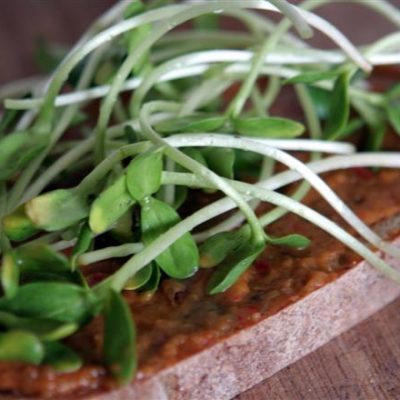
Growing Sunflower Sprouts Indoors

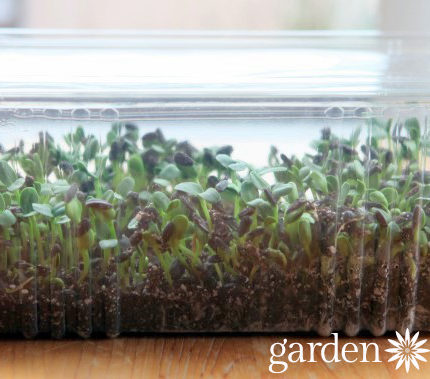
Tis the season for micro greens and sprouts.   The weather outside is frightful freakin’ cold – the coldest on record in 25 years.  Too cold to sprout seeds outdoors, even under cover, so I’ve brought the operation indoors.

A few years ago I gleefully ripped open my festively-wrapped automatic sprouter and started the winter tradition of growing fresh greens on my kitchen table in the less pleasant months.   There are many seeds that benefit from spouting in this manner (hydroponically) like radish, alfalfa, lentil, clover, and many more.  Sunflowers however, do much better when grown as micro-greens: seeds that are sprouted in soil and harvested as seedlings.


Indoor Gardening Project: Sunflower Micro Greens

Equipment:

  • makeshift mini greenhouse
  • organic black oil sunflower seeds
  • clean potting soil

Directions:

No fancy equipment need for this high-brow salad trimming.  I used a biodegradable plastic dome (make sure it’s food safe) from a pre-cooked organic chicken: a prefect soil tray and greenhouse.  You could also use a milk jug cut in half, a cake tray, or whatever you can imagine that would create a mini greenhouse.


 Add about an inch of clean, rich soil to the bottom tray, and spread sunflower seeds over the top.  I generously cover the soil with seeds not letting any of them overlap.  Cover those seeds with just enough soil to hold moisture on them and put in a warm place out of direct sunlight.  The top of the fridge is a great place to sprout them.  In 1-4 days when the seeds have sprouted, remove the dome and get them to a bright windowsill.  Don’t bother using a grow light or worrying if the sun isn’t shining every day.  Who cares if they are leggy?!  You just get more yummy sprout to eat.


 The micro greens are ready to harvest when the mighty seedlings push up the soil (which helps to knock off the black husks) and grow two fat seed leaves.  Snip the seedlings at the base and wash in a salad spinner.  The nutty flavour is a fresh treat in the colder months and it only takes about 7 days from seed to table.


A great winter project for those days when you want to eat a salad and imagine yourself in Hawaii.

Related Posts with Thumbnails
Share

November 22 2010 | Growing Food and Harvest and Projects | 20 Comments »

Next »