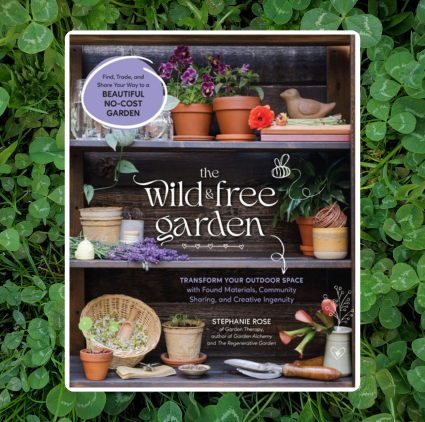
Meetup apps are springing up left and right, promising you friendship in a time when many people struggle to build new connections. After attending multiple meetups, I can safely say they’re not what you expect. Read on for my experiences and how it ties into Garden Therapy.

In 2025, I met over 100 strangers, and I intend to meet 100 more this year. At least.
During the months that I was writing The Wild & Free Garden, I became more intrigued with the widening gap between those who shut themselves off and those who craved contact with strangers.
Then I started to see ads for apps inviting me to have dinner or coffee with strangers. I was intrigued. I quickly signed up for a bunch of them (as research, of course), and I embarked on a journey of meeting over 100 strangers in 2025.
The apps make it easy. You pay a small fee and choose the date, time, and general location for your meet-up. Within 24 hours of the event, the location is revealed.
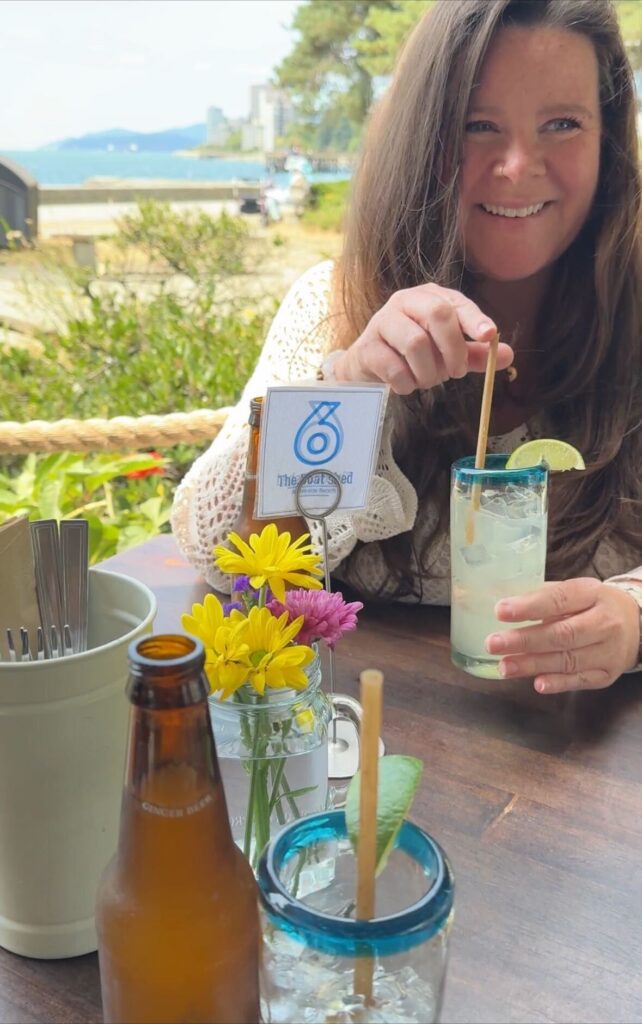
The first few times, I was a bit nervous, I’ll admit. I really just didn’t know what to expect. I went to a dinner first and was the last to arrive at a table for 6. We had a fun dinner and went for drinks afterwards. The next Sunday, I met a different group for coffee. Again, 6 guests, including me, one of whom has become one of my closest friends.
Chances are, you’ve also received these ads. They promise carefully curated meetups, where you can meet with strangers and form new connections.
These meetup apps have been growing in popularity, most likely as a result of the loneliness that emerged from the pandemic. From working remotely to losing friendships, people were craving connection.
- How It Works
- Everyone is Here for Their Own Reason
- It’s Easier to Meet People in a Group Setting
- A Replacement for Third Spaces
- Meetup Apps to Try
- My Experience With Timeleft
- My Experience With Kin
- My Neighbourhood WhatsApp Group
- Other Meetup Apps to Try
- Connections Through Gardening
- More Ways to Build Community
How It Works
There are different apps and websites, and they all work a little bit differently. The two apps that I have used the most are Timeleft and Kin. And they both work approximately the same way.
You start off by filling in your profile with basic info about yourself. This will help the group facilitators pair you with other people they think you’ll hit it off with.
Timeleft focuses on dinners, while Kin focuses on coffee meetups. You’ll be notified of your date and time for your meetup, but you won’t receive the details of who will be attending. You don’t do any planning or networking ahead of time. You simply show up.
And yes, it can be a little awkward at first. But there are typically a person or two in the group who have done this before and don’t mind steering the conversation.
Everyone is Here for Their Own Reason
The people who join these groups are from all walks of life. While the app will create a group based around commonalities (age, interests, etc.), you’re still going to meet people you wouldn’t normally interact with. What a gift!
I’ve encountered those who are married, single, new to the country, and have kids who have recently left the nest. Some are foodies who use this as a way to try out different restaurants and have stimulating conversations while they’re at it.
Some people want to make new connections and deeper friendships. Some are doing gentle business networking. But all are simply interested in getting to know strangers in a low-effort environment. Simply sign up, show up for the reservation, and enjoy the company.

It’s Easier to Meet People in a Group Setting
The 6-person table is my favourite setup. I have attended meetups for 3 to 12 people or more, but 6 offers the magic number. It allows you to get to know everyone in the group, while having no pressure to keep the conversation flowing. You can engage as you like, or sit back and listen.
I have also done meet-ups for karaoke, mixers, concerts, and happy hour, but there is less of an opportunity to get to know people like a 2-hour dinner or coffee date provides.
And they are a much better way to meet people than at a party. It can be hard to mingle when there are no icebreakers or introductions.
Having an activity to do while you chit-chat helps to ease any awkwardness, but you can often be more focused on the activity. Choose ones that you can drop into so you have the ease of casual participation, as opposed to signing up for a 6-week-long activity course. Art classes and outdoor activity groups like walking, hiking, or skiing offer the space to do an activity while still encouraging chatting.
I’ve had some dinners where I don’t love some of the ideas being discussed or where the flow of dinner feels a little bit uncomfortable. But of course, that’s going to happen when you’re regularly meeting with strangers.
Dinner has a certain level of intention, since people must put in the effort of going to a restaurant and contributing their time, money, and effort to get to know other people. People show up with a level of openness.
A Replacement for Third Spaces
In many of my stranger dates, dinner conversation often identifies the lack of third spaces in Vancouver and around Canada and the US. These are the places around the world for people to casually gather, arriving solo and being welcomed by strangers.
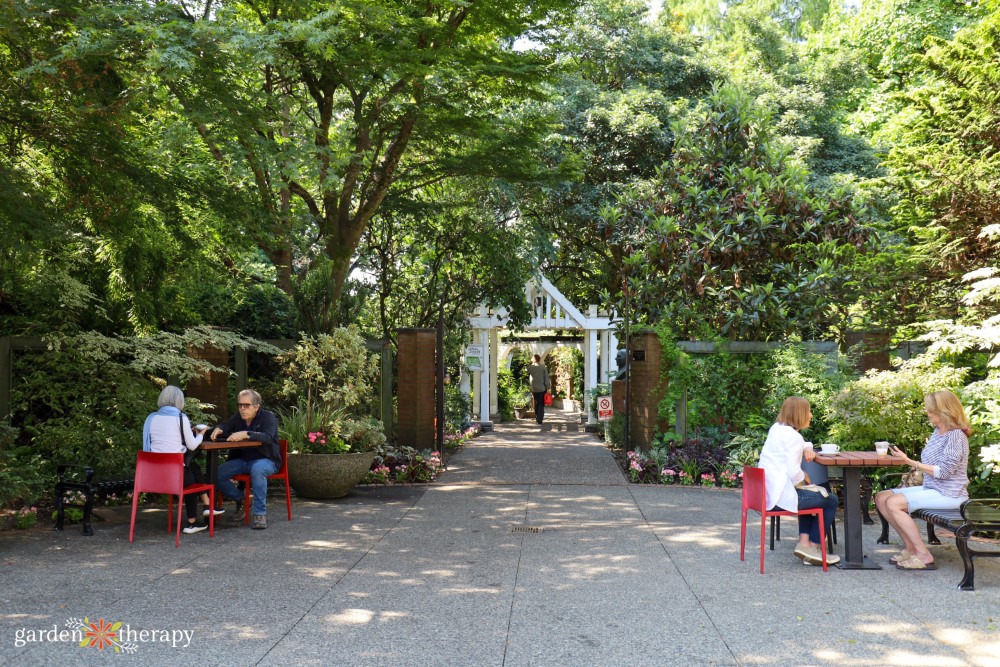
Third spaces are separate from the home (first space) and work (second space), and are a place for you to engage between your main spaces and interact with the community. Think of libraries, coffee shops, churches, gyms, legions, bars, public gardens, and parks.
Unfortunately, third spaces are getting hard to come by. The places still exist, but fewer people are showing up to these places with the intention of being part of the community.
Enter the meetup apps. The third space is a reservation at a restaurant or coffee shop. They provide the place to meet and arrange all the details on your behalf. All you have to do is show up, making it low commitment.
The intent of this type of meeting is often confused with a dating app. While single people may attend more events to build their social connections in relationship transitions, there are also many people of varying relationship statuses who are visiting from other countries, newly moved to town, in job transitions, and for endless other reasons.
Deeper relationships can organically arise from the experience of constantly meeting with strangers, but it’s also a way to just spend a few hours at a restaurant with no strings attached.
While I joined to get some insight into this way of connecting, I wasn’t aiming to make new friends. I’m grateful to have a wealth of wonderful friends and a busy social life.
What surprised me was the ease and comfort that came from these casual connections. I work from home, so I don’t have coworkers to engage in small talk or catch up with at the water cooler. To go out for dinner on a Thursday night and sit with a group of strangers gives me that.
The people I have met, however, are truly interesting and amazing people. From those meetups, I have joined a number of other special interest groups that have the same casual drop-in format. Karaoke, skiing, language practice, and comedy nights are all on the table if I have the desire to join.
If you go in with all of the above as your mindset, you’re starting in a really good place. You’re going to get out of the house, be a little social, meet with some hopefully like-minded people, and then be on your merry way.
And if something else arises out of that, amazing.
Meetup Apps to Try
My Experience With Timeleft
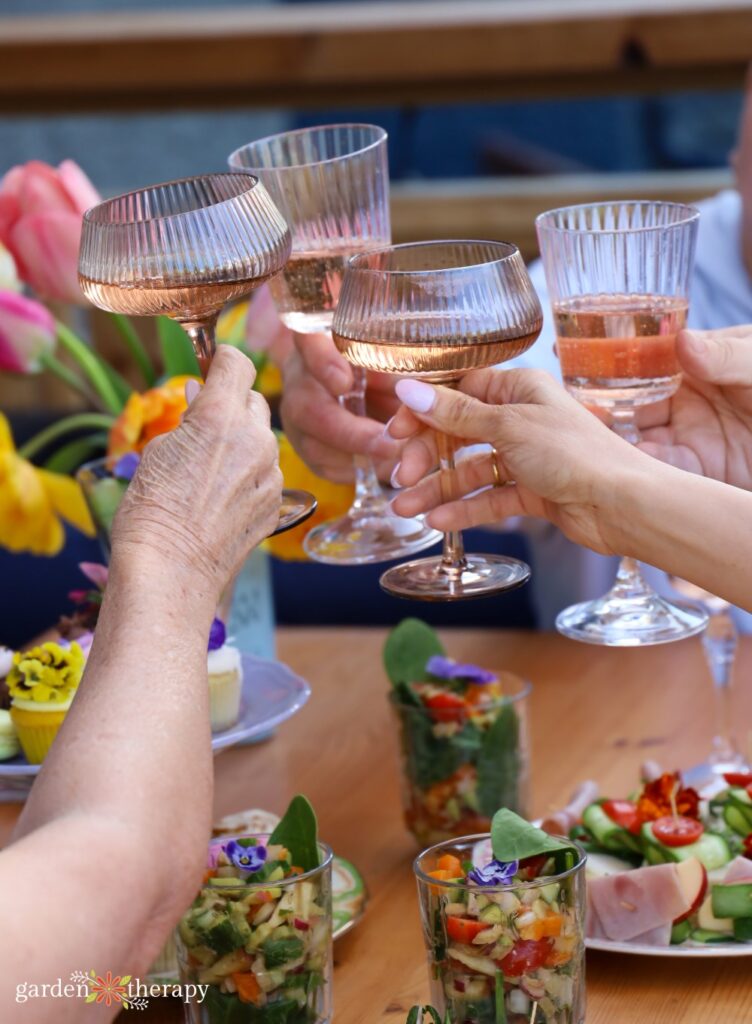
After you sign up and fill in a bit about yourself, Timeleft will take over and schedule a dinner for you, matching you with a group of six or so strangers. You complete a survey on interests, select the meal budget that you prefer ($, $$, or $$$), and add your birth date.
You will be matched with people who are in your age range consistently, but the restaurant budget can be quite variable. Even if you select the $ option, you could end up at a Michelin guide restaurant. If that happens, I highly recommend contacting the company support for help rescheduling you.
It’s clear that Timeleft has local people in place to help with scheduling. They make the reservation and also suggest a bar for drinks afterwards. The bar doesn’t have a reservation, however, so there is a chance you could be turned away.
You won’t get a list of the guests’ profiles until after dinner. You will only see how many people are attending, the country they are from, and the industry they work in. After dinner, you can rate the other diners and choose if you want to connect with them again. There is a chat in the app for follow-up conversations.
The app prices vary by city. You can pay for a single dinner or a monthly charge for unlimited dinners. They have two dinners a week in my city, and recently added women’s-only dinners and coffee meetups as well.
I found it to be a great way to try restaurants in my city and have been to many fabulous places I would not have tried otherwise.
In total, I went to 11 dinners in 2025, so it’s clear that I found the experience positive overall. I would highly recommend it if it’s available in your city (it’s in 200+ cities and 52 countries). In some cities, you can also meet for drinks or runs.
My Experience With Kin
If dinner feels a little too much of a commitment, there are coffee meetups as well. I signed up for Kin online and purchased a voucher valid for 3 meetups. I attended two and still have one outstanding.
The day before the coffee, log in to the website, and the coffee location will be revealed. Simply show up on time and tell the host you are with Kin. There is no information provided about the guests prior to arrival.
When you sign up, you answer a quick questionnaire, which they will use to help match you with those of your age and personality. Groups can range from 4 to 7 people.
Kin is currently only available in ten cities, but I hope it continues to expand because I think it’s a really great low-stakes, affordable option for those interested in community building.
My Neighbourhood WhatsApp Group
Earlier this month, I wrote about building connections in our neighbourhoods. This is another place where I’ve met strangers and watched them become part of our lives.
It’s a neighbourhood WhatsApp group. Within about four blocks, around 85 of us are connected. It started the old-fashioned way, chatting in the front garden. A neighbour invited me to dinner. Then another invited me for cocktails with a group of women down the street. From there, we were added to the group, and suddenly, the people living right beside us were no longer strangers.
Since then, it has changed how we live here. I joined a CSA run by a woman a few houses down who grows seasonal vegetables on her farm. I have donated to neighbourhood fundraisers. I have picked up things people no longer needed, including dog treats their dog refused, that mine happily devoured. I borrowed a roasting pan for Friendsgiving from someone I had never met before.
One day, my dog went missing, and three neighbours ran out immediately to help me search. That alone made the whole thing worth it.
There are block parties, Halloween gatherings, and backyard dinners. I even went to a fifteenth birthday party for a neighbour’s dog. It is not organized through anything fancy. Just neighbours posting on WhatsApp. But it works. It feels like the kind of community people say they want, and then are surprised to find is built one small interaction at a time.
Other Meetup Apps to Try
I have not given these apps a try, but I wanted to include them in case they were more available in your city or had features you’d be interested in. All of them seem to be a little different.
- Group Vibes: Very similar to Timeleft and Kin, Group Vibes will match you with like-minded people and schedule a meetup in a café or restaurant. It’s currently available in 40 cities and 15 countries.
- RealRoots: RealRoots is another match/group meetup app, but specifically designed for women to meet regularly for 6 weeks within a session. It also includes a RealRoots guide at the meetup, who will help to lead the conversation. This option is more expensive but also intended for creating deeper relationships.
- Bumble BFF: based on their popular dating app, Bumble BFF is a swiping app designed specifically to meet friends. It requires you to make a profile and swipe through to find matches based on other people’s profiles. You initiate conversations and meetups.
Connections Through Gardening
While all of this community building wasn’t related to gardening, these are the types of connections I write about in The Wild & Free Garden. Chapter 5 is called Building Belonging Through Plants and People. It asks a simple question: we all say we want a village, but how do we actually become a villager?
This chapter explores the real, practical ways we create connection. Why it matters. How to start. What it looks like in everyday life. I feature Karen Reed, who lives in my neighbourhood and opens her community house and garden to others. Her story, A Garden for Gathering, shows what happens when someone decides their garden is not just private space, but shared ground.
From there, the chapter branches out into possibilities. Community gardens. Shared greenhouse space. Co-housing and co-op housing. Farm shares. Greenway projects. Neighbours’ gardens. Plant potlucks. Soil parties. Tool lending libraries. Skill-sharing workshops.
Some of these are deep, ongoing collaborations. Others are casual, low lift ways to say, I’m here. All of them root us more firmly where we live.
As we build beauty in our gardens, we can also build belonging around them.
Get The Wild & Free Garden here.
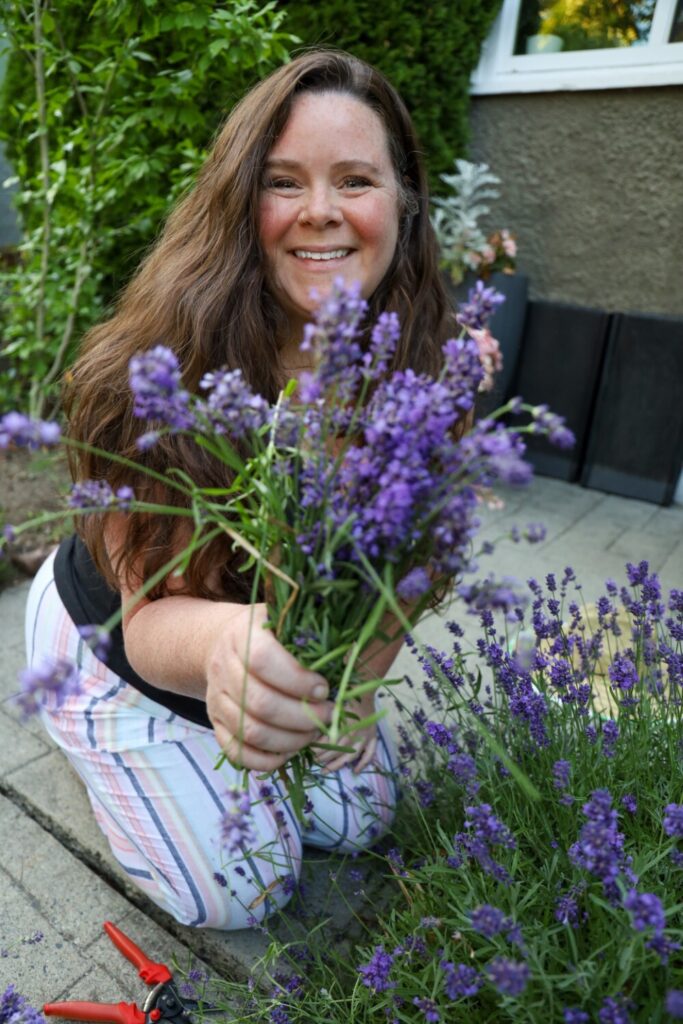
I hope this plants a seed to at least step outside of your comfort zone. If you’re looking to meet new people, this could be a great, low-stakes option to do so. If you’ve tried one of these apps before, let me know in the comments.
More Ways to Build Community
- 10 Steps to Building the Community You Don’t Have (Yet)
- Start a Gardening Club to Find Community and Connection
- Simple Front Yard Garden Ideas to Revitalize Community
- How to Make a Little Seed Library in Your Community

A city girl who learned to garden and it changed everything. Author, artist, Master Gardener. Better living through plants.