

Now you can enjoy your houseplants without having to tolerate any unwanted guests. Wondering how to get rid of fungus gnats? You aren’t alone! Learn how to prevent and how to get rid of gnats in plants naturally.
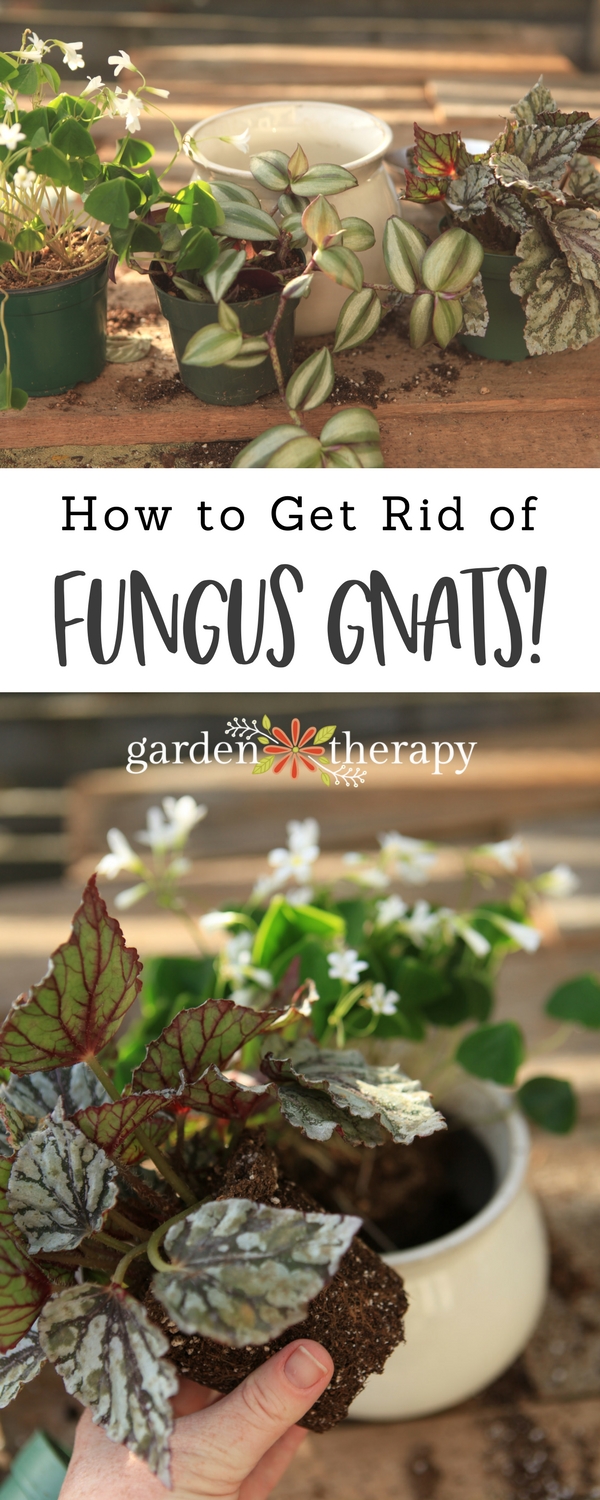
There’s something refreshing about having houseplants inside your home. They breathe life into a house and also add a nice colorful flair.
Houseplants bring a wonderful, lovely dose of nature indoors where you need it most, further helping us by purifying the air in our homes.
However, at some point, you might notice some unwelcome visitors making your houseplants their home. I’m talking about fungus gnats—those annoying little flies that appear whenever you water your plants. Ugh! Do these houseplant pests plague your plant babies too?
Don’t worry, if you are having gnat problems, there are simple—and natural—ways to not only prevent but also get rid of fungus gnats in soil.
Disclaimer: First, a disclaimer. I love living things and try to support natural insects anytime I can. For example, in the outdoor garden, I work to create a natural ecosystem that supports predators for the pests that attack my plants.
Indoor plants, however, have only a few natural predators that want to kill fungus gnats – the people and pets they annoy! Unfortunately, the only reasonable way to get rid of fungus gnats in your house is to kill off the pests you have and treat your plants to prevent future infestations.
In this post, we will cover:
- What Are Fungus Gnats and How Do They Get in the House?
- Why Are Fungus Gnats Bad?
- When Are You Most Likely to Find Fungus Gnats?
- How to Get Rid of Fungus Gnats
- Make the Natural Habitat Inhospitable
- Use a Soap-and-Water Mixture
- Use Sand or Gravel
- Dispose of the Top Layer of Soil Outdoors
- How to Prevent Fungus Gnats
- Don’t Overwater Your Houseplants
- Water From the Bottom
- Store Extra Potting Soil in an Airtight Container
- Now That Takes Care of Gnats, but What About Other Houseplant Pests?
- Love houseplants? These Posts Are Great Reads
What Are Fungus Gnats and How Do They Get in the House?
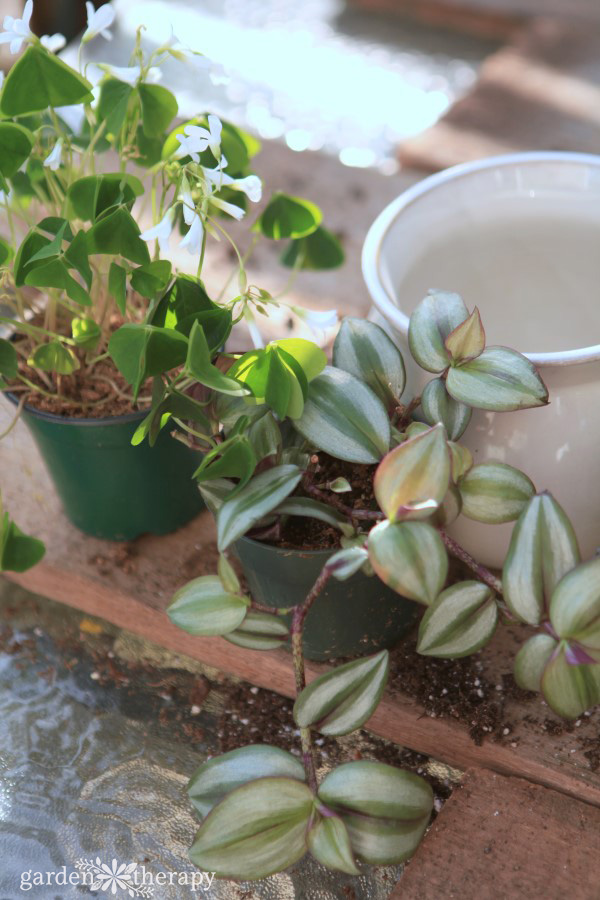
Fungus gnats, also known as soil gnats, are small dark insects that look similar to fruit flies and live in the soil of houseplants. When you have them, you will notice them when you water your plants or disturb the soil in other ways.
One way to get fungus gnats is to leave your houseplants outside. Most often, though, they come straight from the nursery. You don’t realize it because they hide in the soil until you bring them home unknowingly.
Their larvae eat plant roots and fungi in the soil. Then they suddenly appear in houseplants after the larvae hatch.
Why Are Fungus Gnats Bad?
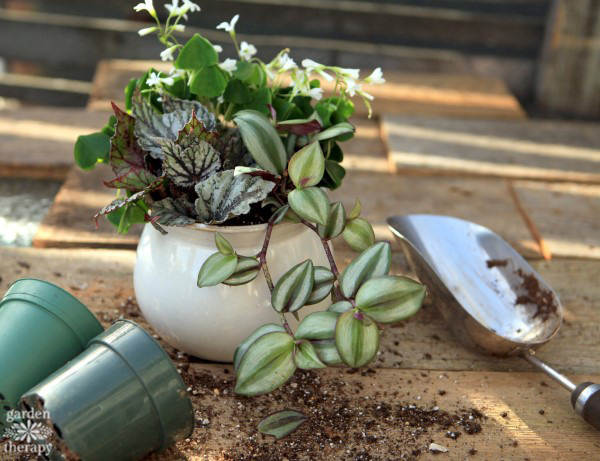
While these pests are a nuisance in noticeable numbers, it might be comforting (on some level) to know that the adults are harmless insects that do not bite.
Also, they don’t do much damage to strong, healthy plants, but they can cause wilting yellowing leaves, stunted growth, and even death in seedlings and more fragile plants.
But honestly, nobody wants a swarm of gnats flying in your face every time you water your houseplants. Yuck.
When Are You Most Likely to Find Fungus Gnats?
Nuisance problems with fungus gnat adults tend to be most noticeable during late fall and winter, for a couple of reasons:
- Houseplants that live outdoors during warm months will commonly start breeding fungus gnats. When these plants are brought indoors, populations may increase due to the warmer temperatures found in homes.
- People are indoors more during the colder months, making it easier to notice an infestation.
How to Get Rid of Fungus Gnats
Killing off soil gnats is really not very difficult, and thankfully, you don’t need to bug bomb your home (yay). It all has to do with disrupting their life cycle and making your home inhospitable for these pests. Here’s how to naturally treat your houseplants and get rid of gnats in the soil.
Make the Natural Habitat Inhospitable
Fungus gnat larvae need moist soil to survive. By letting it dry out completely before your next watering, it will get rid of the gnats in the soil and discourage new adults from laying fungus gnat eggs, thus effectively cutting out the larval stage altogether.
Use a Soap-and-Water Mixture
Take a cup of water and add a few drops of liquid dish soap or liquid Castille soap. Use a spray bottle to spray the top of the soil with this to kill the larvae. Repeat this process again in a few days to ensure that you have killed all of the larvae.
While some people recommend vinegar traps, I have found the soap and water to be more effective. Vinegar (and in particular a bowl of apple cider vinegar) is better suited for making a fruit fly trap.
Use Sand or Gravel
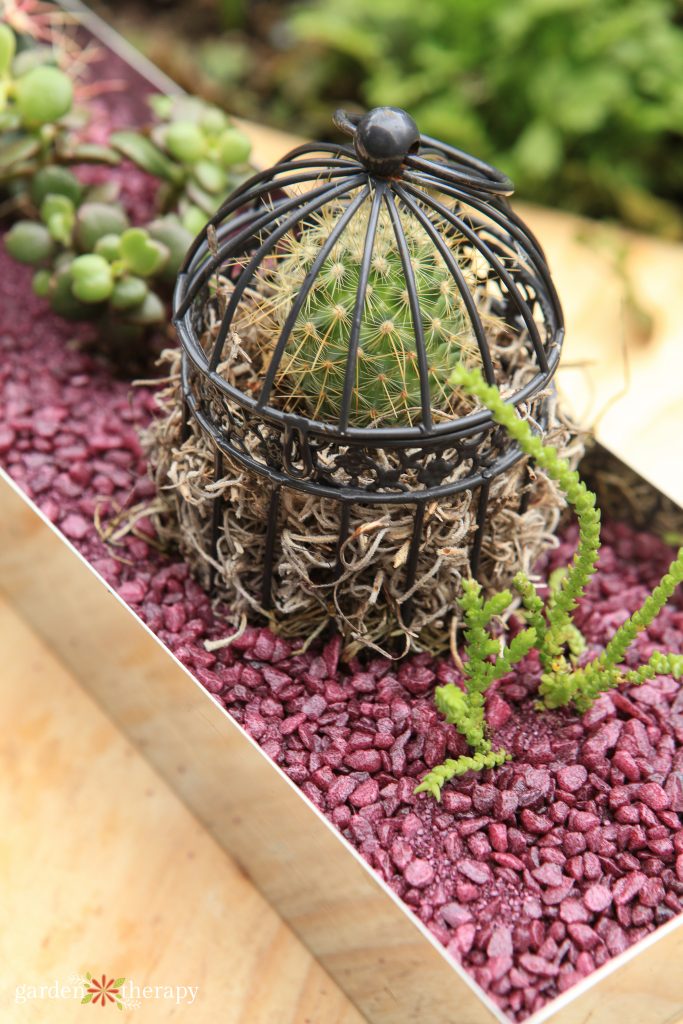
Fungus gnats only lay their eggs in the top inch of soil. Replacing that top inch with sand or gravel creates a dry environment and robs them of nutrient-rich fungus to munch on. Without their needed source of food available, they won’t want to lay their eggs.
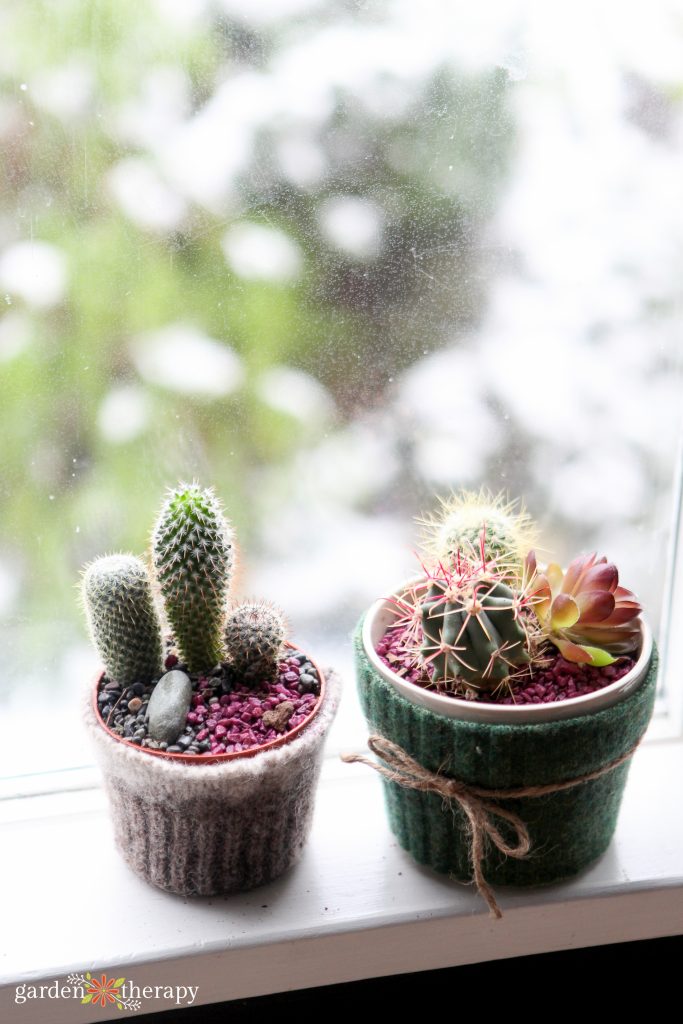
You can also use pretty decorative aquamarine rocks and add a splash of color to some of your favorite plant babies.
Dispose of the Top Layer of Soil Outdoors
The eggs can still hatch. Let them hatch outside rather than somewhere in your home. You don’t want to just move your pests from one part of the house to another.
By taking all of these steps, you can naturally control and prevent fungus gnat infestations.
How to Prevent Fungus Gnats
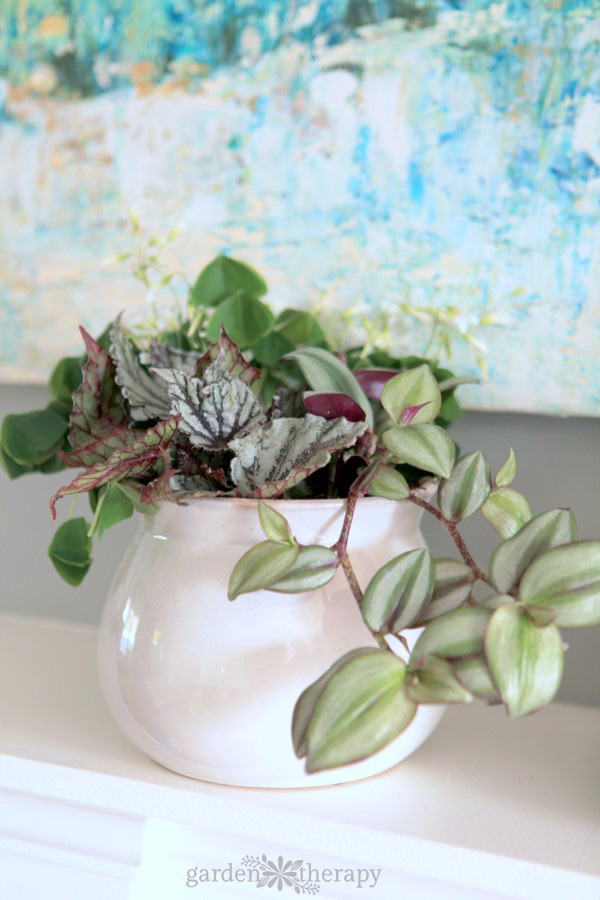
Let’s chat about the steps you can take to prevent these annoying pests from ever entering your life in the first place!
Don’t Overwater Your Houseplants
Make sure you aren’t overwatering your plants. Moisture is a big plus for gnats, so to make their new environment inhospitable, you need to let the soil they live in dry out completely.
Neither adult gnats nor their larvae can survive in dry soil, so let your soil dry out completely between watering as often as possible. Here’s an entire guide devoted to teaching how to water your houseplant properly.
Water From the Bottom
Bottom watering will help the topsoil (where the gnats lay eggs) stay dry while keeping your plants hydrated and happy.
Store Extra Potting Soil in an Airtight Container
If you keep your potting soil in the bag it comes in, fungus gnats can easily get in and lay their eggs. However, the eggs need air to survive, so airtight containers like buckets with tight-fitting lids will keep gnat larvae at bay.
Now That Takes Care of Gnats, but What About Other Houseplant Pests?
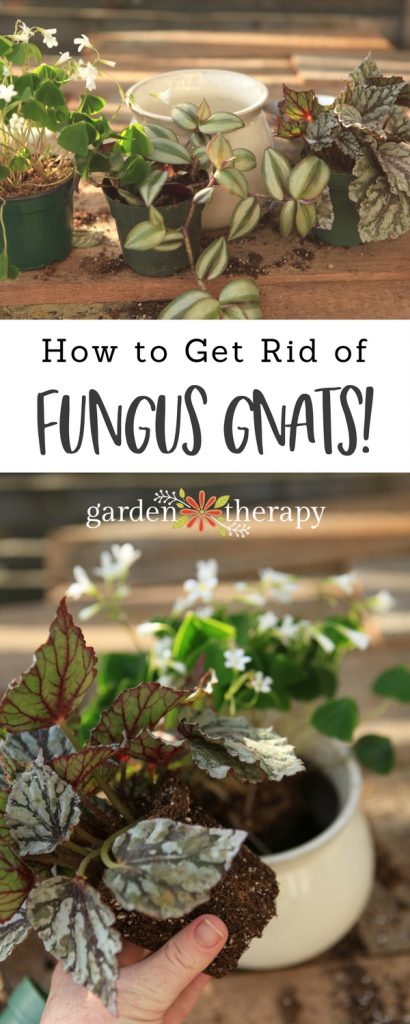
Expert David Squire popped by as a guest of Garden Therapy to share information on 8 of the other most common indoor plant pests and how to get rid of them. He has some great tips and tricks here for getting rid of houseplant pests!
Love houseplants? These Posts Are Great Reads
- How to Prevent, Identify, and Get Rid of 8 Common Houseplant Pests
- The Best Houseplants for Low Light
- These Aren’t Your Grandma’s Houseplants! Indoor Plant Projects for Modern-Day Decor
- Houseplants as Biofilters: Do Indoor Plants Really Purify The Air?
- Houseplants that are Poisonous to Pets: How to Keep Your Fur Babies Safe

A city girl who learned to garden and it changed everything. Author, artist, Master Gardener. Better living through plants.

I am having a problem with fungus knats. I bought a an airtight Pet food container to put the dirt in. It is stored in the house. How long do I need to leave the dirt, untouched in the airtight container, to kill the bugs?
I’ve also read to water using a hydrogen peroxide and water mixture. I am so frustrated.
Hi Lisa, I think most of what you have asked can be found in the article. Let me know if anything else is unclear. Thanks!
I watered the gnat infested plants with soapy water spray as suggested, and the next day tons more gnats were flying around the plants. What’s going on here — was the soap not strong enough or were the gnats escaping? I used ECO soap. Do I need to use stronger soap?
Hi Filip, they are leaving! That’s good. Put the plant outside and let them leave!
I’ve had a very bad infestation in my indoor plants and recently treated the soil by rehydrating it with boiling water after moving the plants into water filled containers. I’ve drained the soil outside and moved the plants, still in water) back inside. What’s the best way to prevent another infestation if I need to re-pot the plants back in soil? I tried numerous times to get rid of the gnats but these things didn’t work: transplanting plants into new soil, freezing leaving infected soil outside during the winter months (plants removed), apple cider vinegar traps, using 4×4 inch sticky traps, and deep cleaning the area where I keep my plants. The sticky traps are great because they show just how bad the problem is but they haven’t gotten rid of the problem because most gnats are in the soil.
Hi and thanks for your piece! My gnat dilemma is this: maidenhair fern. I have two babies and they need soil wet at all times. If they dry even a little bit they start dying. So I can change the topsoil soil and/or give soapy water but then what? I don’t think I can water these from the bottom because I have 2-3“ of gravel in the bottom. Suggestions? Thank you!
Hi! So I would remove all of the soil and compost it, rinse the roots, and repot the fern in new soil with really great drainage and no gravel at the bottom. Drainage holes and managing water moisture is a much less risky system than gravel for fungus gnats and root rot.
We had the same problem, lots of those pests, we let the indoor plants soil dry, and at the same time put little small bowls of blue dish soap (Dawn) mixed with water, and 1 tsp of vinegar. This did the job, all the gnats gone, you can see them in the little clear bowls of soap mixture. Now we are using the sand to keep them out completely. Thanks!