
It’s time to design a morning routine that supports clarity, calm, and reconnection with the real world. The best morning routine is one that isn’t difficult or overly complicated. Let’s make a peaceful morning routine that works for YOU.
Your morning sets the tone for your brain and nervous system all day. Woke up from a bad dream? You start the day grumpy. Had a deep, restful sleep? You’ll hit the ground running in your slippers. Start with 30 minutes of doom scrolling on social media? Not the best mindset to kick things off.
Here’s how you can create your own peaceful morning routine in a realistic and achievable way. We’re looking for consistency, not perfection here!
- 5 Steps to Create the Best Morning Routine for YOU
- Step 1: Move Your Phone
- Step 2: Initiate the Routine
- Step 3: Go Outside
- Step 4: What’s Your Backup?
- Step 5: Extend Your Habits Beyond the Morning
- More Tips for Gardening and Well-Being

5 Steps to Create the Best Morning Routine for YOU
Step 1: Move Your Phone
Most people start their day with their phone’s alarm going off. It’s probably plugged in to an outlet and resting on the bedside table.
A lot of people start their day by reaching for that phone, turning off the alarm, and scrolling for a few minutes before getting up.
I’ve done it enough to know that the draw for that dopamine hit is real, and it can be a difficult habit to break. Let me assure you that moving your phone for a week will show you how much better mornings can be. And the benefits last throughout the day.
Here is what is happening when you pick up a device before you have even gotten out of bed. First, is that you are getting information overload before the day even starts. From news stress to social media funnies, these pieces of information send hormone signals through your body. Reading or watching anything on a device means you’re reacting to the external world as opposed to listening to your body and thoughts.
A recent Canadian study by MHRC analyzed Canadian youth (aged 16-24) and the effects of screen time. Those who reported more than 7 hours of screen time were nearly twice as likely to experience severe anxiety, depression, and psychological distress. On the other hand, those with less than 2 hours of personal screen time showed higher levels of resilience and positive relationships.
It’s also astonishing how quickly time passes when you’re scrolling. A few minutes can turn into a half hour of lost time.
Ask yourself, “How can I start my day in a different way?”
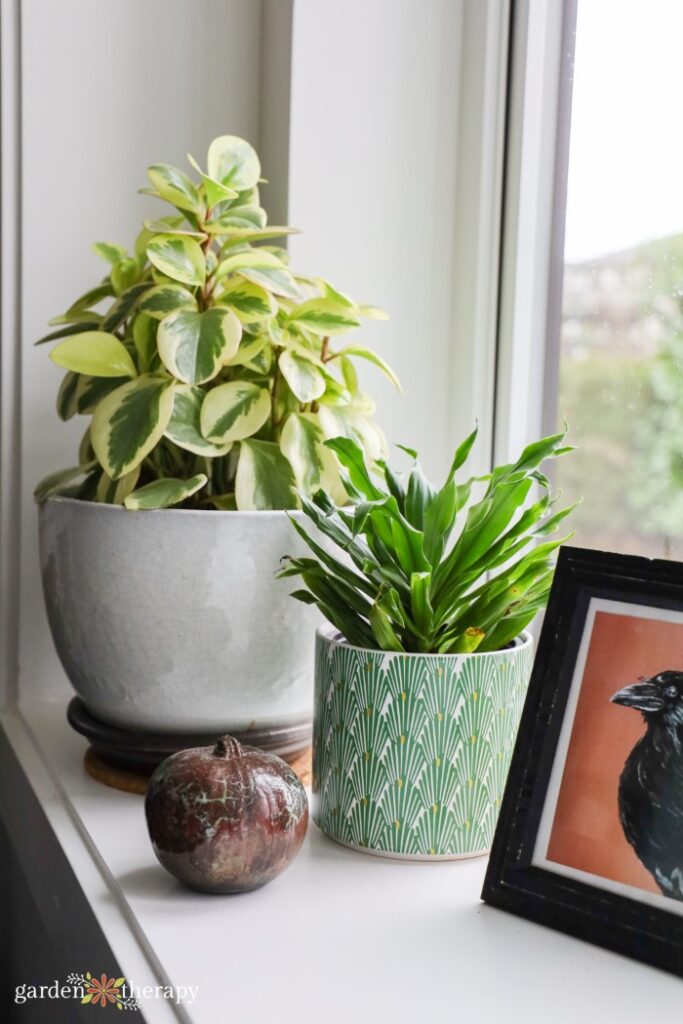
Our first step is to move that phone away from you. Keep your phone out of arm’s reach. Ideally, it shouldn’t even be in the bedroom with you. Use a real alarm clock and replace the spot on the nightstand with a plant so the first thing you see in the morning is a living representation of the world around you.

Step 2: Initiate the Routine
Now that your phone is no longer the thing that pulls you into the day, something else needs to take its place. Not a task to complete, but a signal to your body that waking up in this moment is safe.
For me, that signal begins with light and connection. I open the blinds and curtains as soon as I get up, then invite my family into bed. My child, my cat, my dog. We share a few quiet moments of cuddles and giggles, grounding ourselves together before the day begins.
Next, I open the front and back doors of the house, letting fresh air move through and carry out what feels stagnant. It is a small ritual, but it shifts the energy of the entire home.
From there, my morning unfolds simply. An espresso. A walk with the dog, no matter the weather. Stepping outside, breathing deeply, and noticing how the garden is growing.
These are the things that help me begin the day feeling present and steady. A rhythm. A routine that brings in light, energy, and connection before anything else asks for my attention.
So what could your routine include? A splash of cold water on your face. Pulling on your coziest robe. Reading a few positive messages or offering yourself a compliment in the mirror. Grabbing your journal and favourite pen.

Step 3: Go Outside
Many years ago, I was struck by the image of author Brian Brett wandering through his farm in nothing but his gum boots to do a garden walk. Not in person, but as he described it in his biography of farm life, Trauma Farm: A Rebel History of Rural Life.
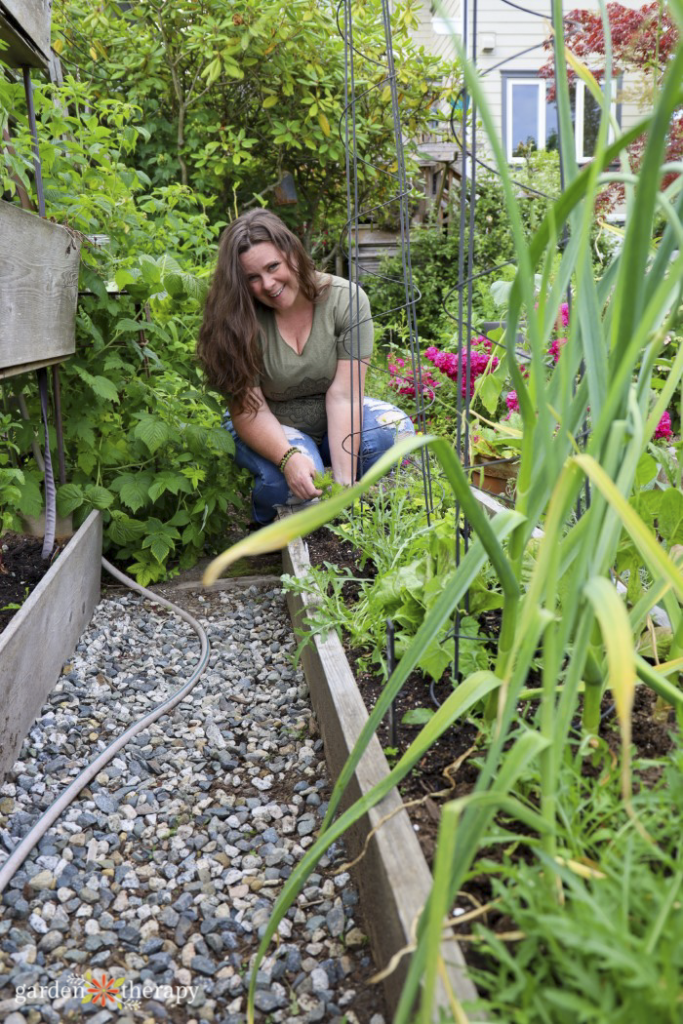
That image landed solidly, and I have practiced it daily in my own way since. I live in the city, so I throw on some clothes, get my dog leash, and we explore our garden and all the neighbours’ gardens as well.
Getting outside has many proven mental health benefits, and it’s one of the best ways to start off the day. Fresh air will trigger a nervous system reset, while the natural light will help you feel more alert.
If you do a garden walk, you will know it takes some discipline not to pull weeds or move things around or begin harvesting. You’re outside simply as an observer for this exercise.
Everyone is going to have a different version of getting outside. It could look like:
- A garden walk
- A morning stretch
- Meditation session
- Sitting in the sun with your hot drink
- Journaling your morning thoughts
The idea here is to keep it simple. You only need to be outside for five to ten minutes. Choose something you actually enjoy doing to make the habit easily attainable.

Step 4: What’s Your Backup?
These ideas only work if they support your well-being, and goals that are too lofty are more difficult to keep up with. Planning for an easy plan B ensures you have a go-to when a walk or stretch outside feels too much.
Maybe it’s raining cats or dogs, or perhaps your body is sore from a strenuous day before. Regardless of the why, a backup will give you an easy way to say yes to the routine.
For me, this usually means sitting where I can either look outside or be amongst my houseplants. Sometimes, sipping coffee is all I need to do while I enjoy the view; other times, I want more active engagement, so I might write or read.
Beyond your backup, you might want to adjust your routine based on the different seasons or schedules. Your weekend routine might look different than a weekday when you have to go to work. A wintery morning may look different than a summer one.
Remember, it’s about consistency, not perfection.
Step 5: Extend Your Habits Beyond the Morning
Once you have this routine well in place, it can support you throughout the day as well. Any time you need a reset or feel a wave of stress coming on, step outside for a moment.
Even a few deep breaths can help your nervous system settle. Incorporate it into your lunch break or after-work routine. Think of these moments as gentle outdoor checkpoints that bring you back into your body.
It can also be immensely helpful at nighttime. Creating a slower, screen-reduced evening helps signal your brain that it is safe to rest. This supports better sleep and a more stable circadian rhythm, which makes the next morning feel easier too.
Start small so it stays realistic. One habit at a time is enough. Small, consistent shifts are what actually change how we feel day to day.

Your morning doesn’t need to be productive to be powerful. Try incorporating just one screen-free outdoor morning this week and see how it makes you feel. Let me know in the comments how it’s going and what habits you have chosen.
More Tips for Gardening and Well-Being

A city girl who learned to garden and it changed everything. Author, artist, Master Gardener. Better living through plants.