

Pruning is a fundamental part of gardening…and it can also be one of the most intimidating aspects! If you’re gearing up to prune some of your perennials, shrubs, or trees, let me break down the basics of pruning so you can get snipping with confidence and ease.
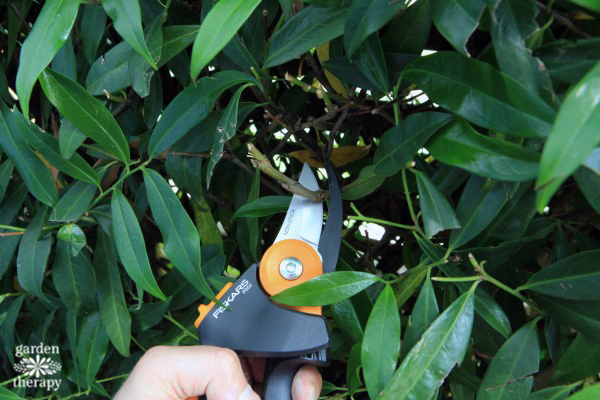
Pruning is a fun garden task but it can be daunting to get started with. For some people it is the gardening version of public speaking—terrifying!
Fear the secateurs no more, my friends. We are breaking down pruning to the basics so that you have the skills to prune like a pro.
This post will help you understand plant structure and growth so you can apply the concepts to all your trees, shrubs, and smaller plants.
Let’s get into it!
- Reasons for Pruning
- The Four Ds of Pruning
- Supporting the Structure
- Follow the Lines
- Pruning Exceptions
- Save the Trees
- More Tips for Pruning Plants
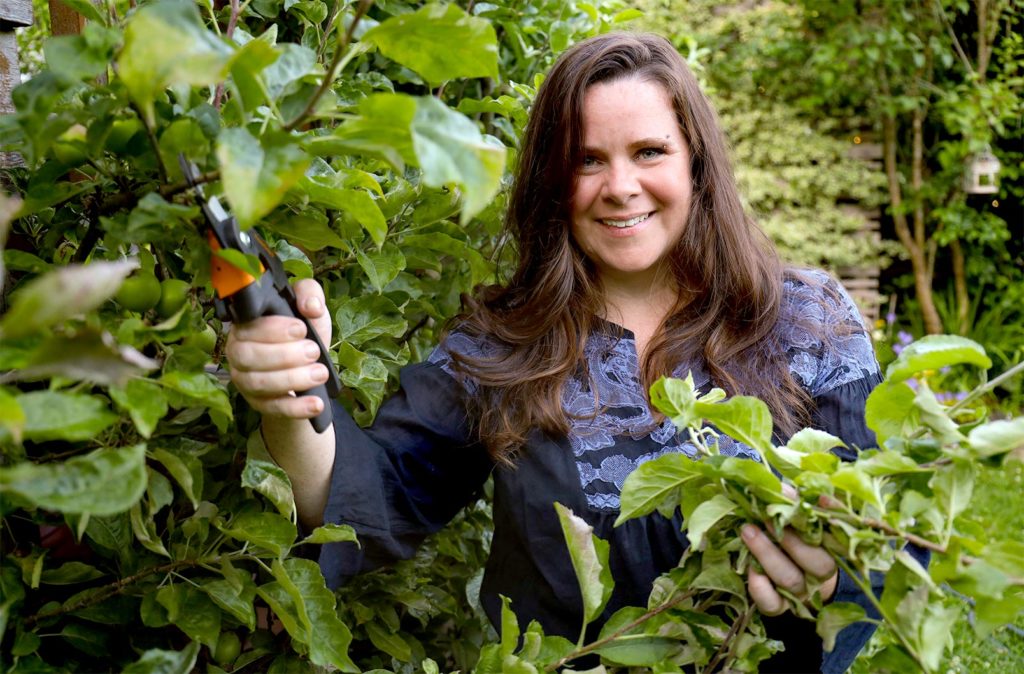
Reasons for Pruning
First, let’s start with reasons why you should prune and one big reason not to.
Good Reasons to Prune
- To improve the health and vigor of plants
- To encourage fruit and flower production
- To modify shape or direct growth
- For safety reasons, for instance ,removing branches that could cause damage to structures and buildings and to avoid conflict with powerlines.
Bad Reasons to Prune
To control the size or height of a plant. A better option is to thin a tree and help to shape it rather than topping a tree or fighting a plant when it’s trying to reach its mature size. See more in Supporting the Structure below.
The Four Ds of Pruning
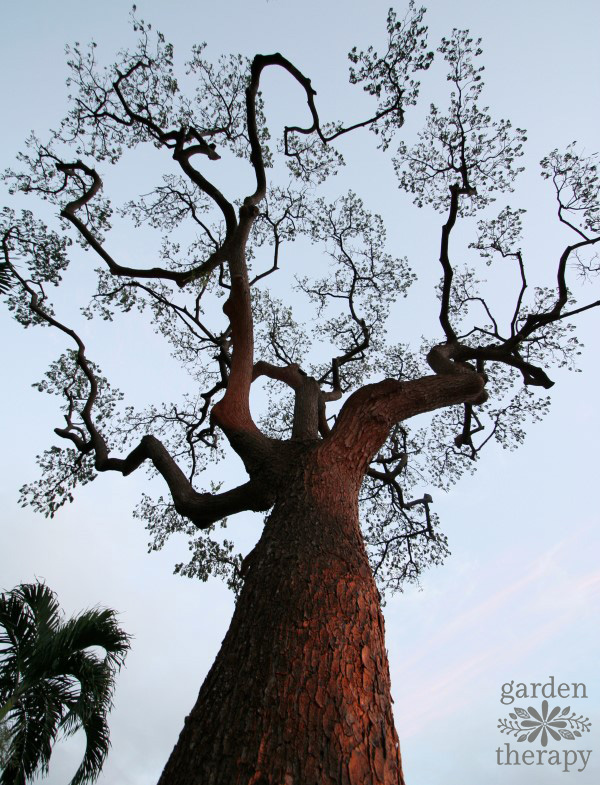
The first rule of pruning is to follow the Four Ds. This means that you can safely prune anything on a plant that is dead, diseased, dying, or damaged. Even more, you SHOULD prune for the following reasons.
Branches that fall into these categories cause more stress to the plant left attached than if they are pruned off. Removing the Four Ds helps with the overall health of the plant. Even if removing those branches will look unsightly or unappealing, it’s better to prune them and allow the plant to repair without having to spend energy on healing.
Supporting the Structure
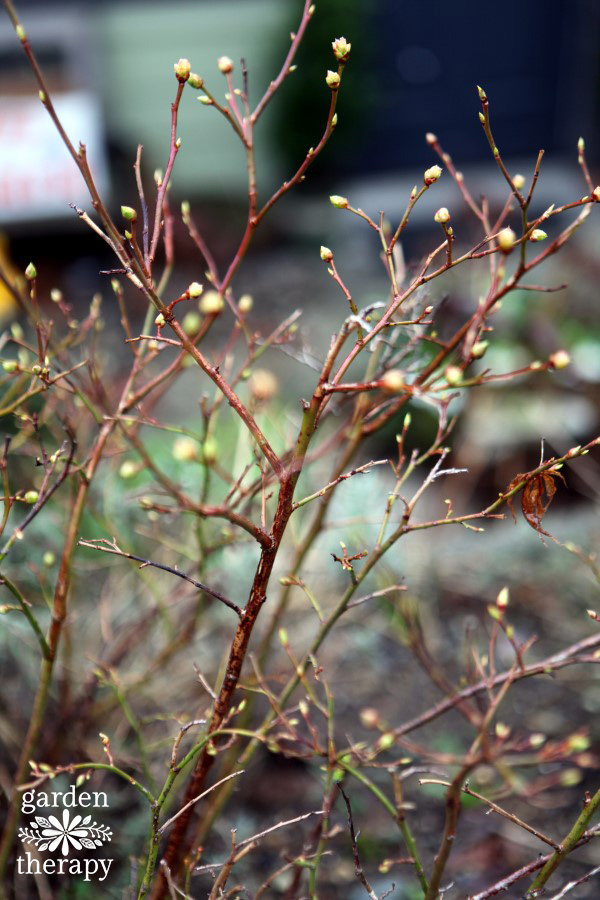
Despite what many people do in their own gardens, trees never need to be topped. If you have a tree growing too large for the allocated space, then you have the wrong tree! The best course of action is to either consider replacing it or living with it.
Topping a tree damages the overall shape of the tree, while encouraging the tree to send out a new leader to continue reaching its mature height. It also creates weak points in the tree which make it more susceptible to breakage.
If you have a tree that is too large for the area that is planted you can always thin out the tree by removing some of the larger branches on the inside, creating a more airy and spacious look that may solve your problem. While this won’t affect the overall height of the tree, it could remove enough density that the tree fits into the allocated space better.
Follow the Lines
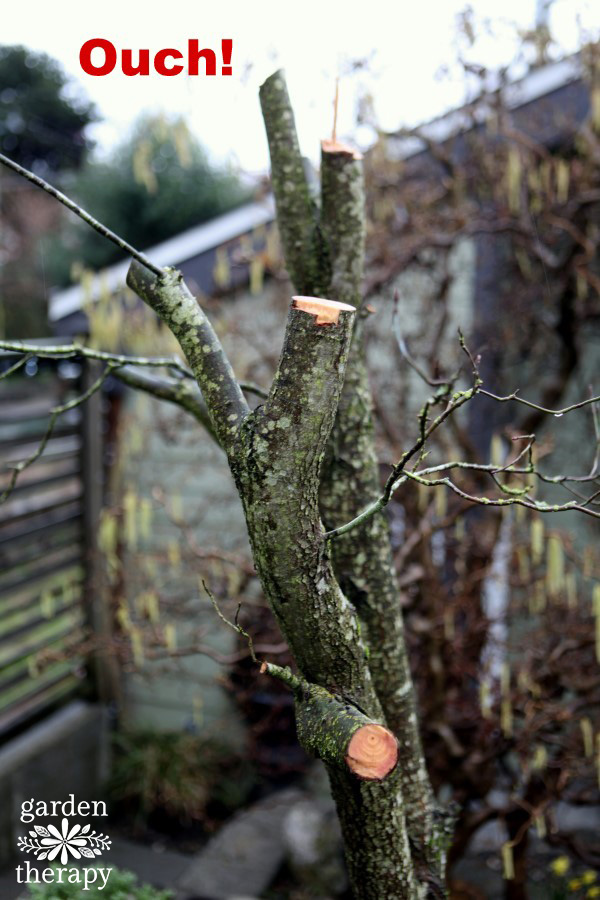
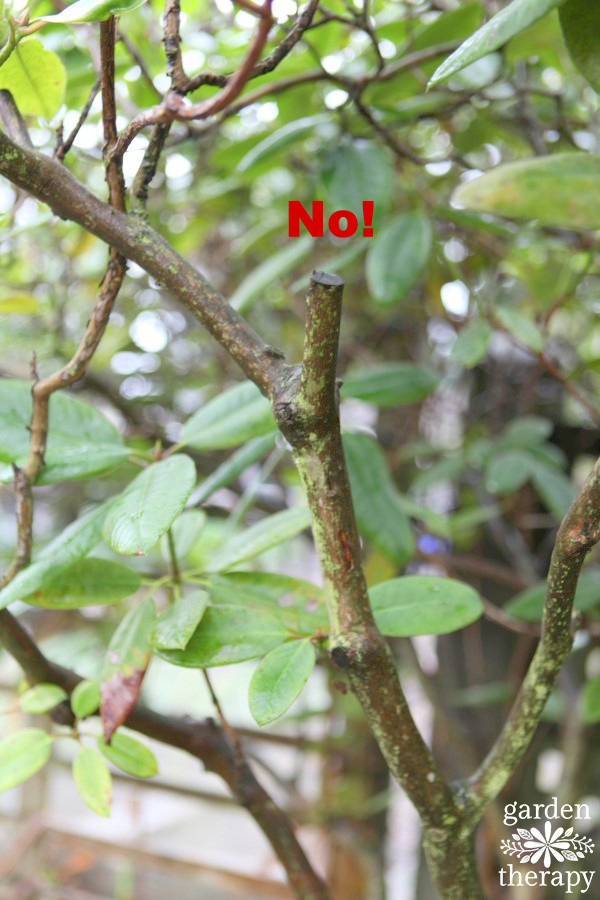
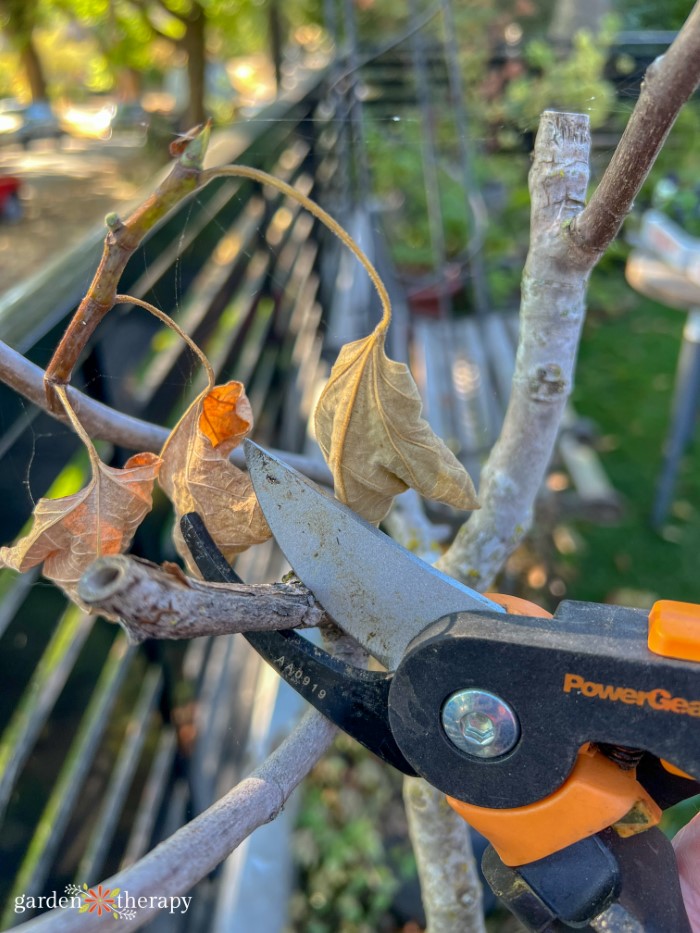
The most unappealing (and often pitiful) pruning is when a branch is cut to create a stub. Following the lines of the branches means noticing the natural flow and structure of the plant as it grows from the base or trunk and following that line out towards the end.
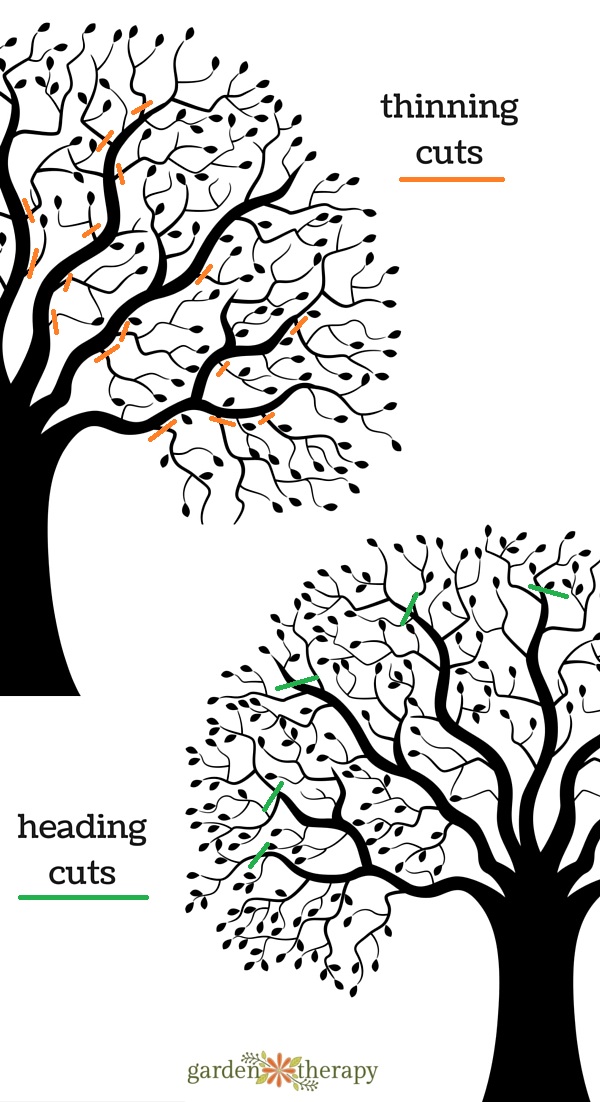
There are two types of pruning cuts: heading cuts and thinning cuts. Heading involves cutting off part of a branch to create a stronger branch and a larger number of smaller offshoots coming from that branch.
Thinning removes a branch at its point of origin, which can be at the main trunk, a side branch, or even right to the ground.
Heading cuts stimulate new growth, and thinning cuts prevent new growth.
If you’re looking to remove the branch but would like another branch to grow in its place, then cut the branch just above a bud. This bud will produce a new branch. If you want to remove the branch and not have regrowth, then cut the branch at the branch collar and do not leave any visible buds.
Pruning Exceptions
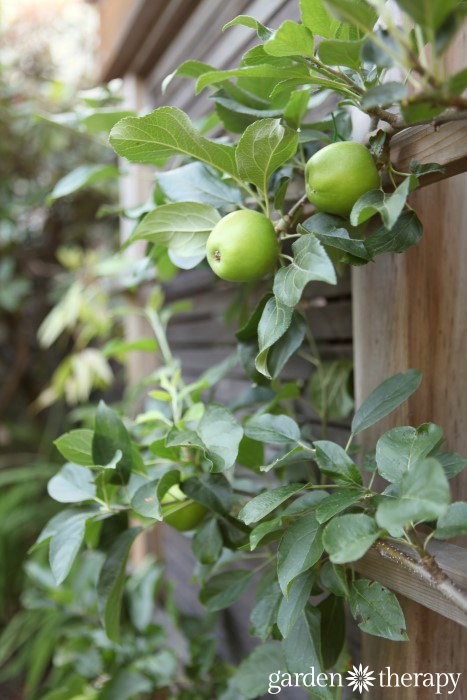
Obviously, there are some exceptions to this rule, like decorative, espalier, or fruit-tree pruning. Creating unnatural shapes in these circumstances can be done for aesthetics or to increase fruit production.
A tree that has been pruned to take on an unnatural shape requires much more ongoing care and maintenance. For the majority of your home garden pruning needs, stick to the 4 Ds and aim for a natural shape and you have the tools to get started!
Save the Trees
If you still aren’t convinced that supportive pruning is best for your garden and your trees, please head over to Plant Amnesty and read a host of brilliant and informative articles on pruning. I had the pleasure of meeting the late Cass Turnbull, Plant Amnesty President and Founder, at the Northwest Flower and Garden Show. I ended up giggling and fawning like a crazed fan because I wholeheartedly support their efforts to “end the senseless torture and mutilation of trees and shrubs.”
Pruning FAQ
Both words can be used interchangeably, but I find that people use pruning more to describe removing specific branches and with a purpose. Trimming, meanwhile, tends to imply you’re removing lots of growth at once to maintain a shape or size.
Pruning is mainly done to control a plant’s growth, such as directing which direction it should grow and the shape of the growth. Pruning can help to improve the vigour of plants, and even encourage fruit or flower production. It should also be done to remove broken or diseased growth.
Different plants have a “best” time to prune them. For ornamentals, you want to prune after flowering. Otherwise, you risk cutting off the buds and future flowers.
For fruiting shrubs and trees, pruning some of the flowering branches after they’ve flowered but before fruiting allows the plant to direct more energy into the remaining fruit.
Pruning in winter will encourage more vigorous growth the following spring. Pruning in fall will encourage the plant to enter dormancy and direct its energy to the roots instead.
This is a basic answer to a complicated question. For more detailed information on when to prune, read this post.
More Tips for Pruning Plants
- Want to Know When to Prune? This Will Answer All of Your Questions!
- Your Guide to Pruning Hedges
- How to Remove Suckers from Trees (and Why They are There in the First Place)
- The Art of Espalier: Growing Fruit Trees in Small Spaces
- The Best Garden Greenery for Holiday Decorating (and Which Ones to Avoid)
- Care and Pruning for Decorative Topiaries
- The Essential Guide to Growing Lavender

A city girl who learned to garden and it changed everything. Author, artist, Master Gardener. Better living through plants.

Could you post a picture of what a “yes” would look like for a heading cut? The “no” picture looks very similar to the animated heading cut tree picture posted.
Hi Shelece, the heading cuts are much closer to the main branch, the stub that is left behind on the “No!” photo is stressful to the tree and looks terrible.
Disaster Recovery will be defined as the identification of
important core part enterprise features and the processes designed tto protect and/or recovery those
features within the event of a disaster.
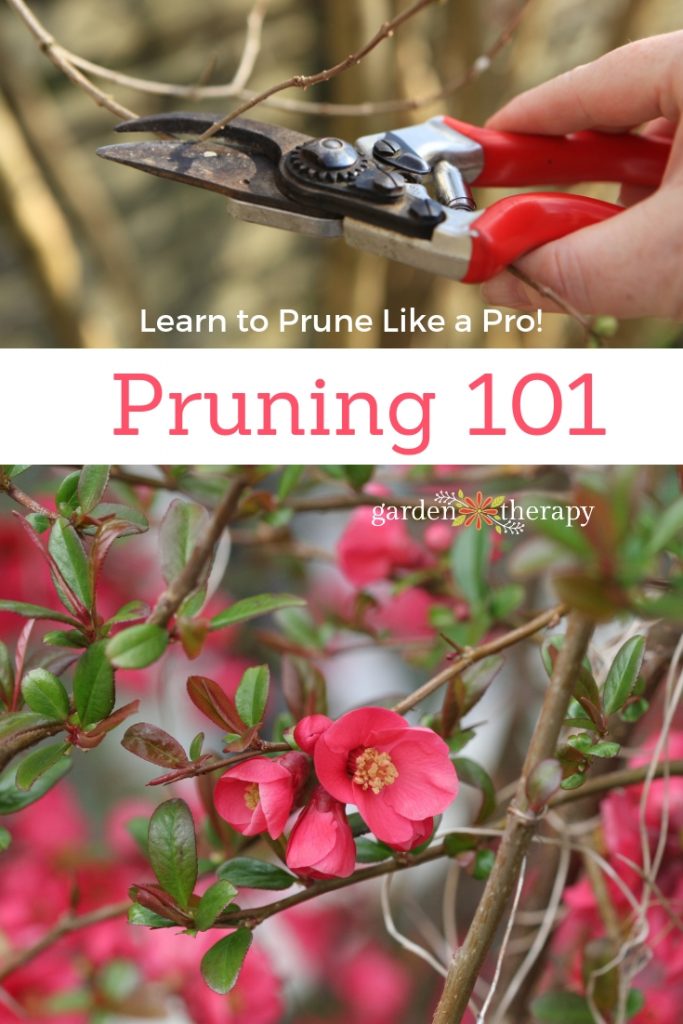
Just a couple things came to mind. The pictures show species that have complete different growing habits and ways of survival. Second the choice of the pruning tool is one that will cause blunt trauma to the cut. It will cause fractures and torn wood that if used in a maple for instance will cause dead wood several inches down from the cut. The flowering quince could also use a tool more like the ones used for Bonsai since it grows in a clump style.
A sharp clean cut from both sides and even v shaped into the wood will cure healthier and with out a ugly scar.
Just a quick observation and its agreed that a little education on such a simple task that terrifies people is much needed.
Hi DW, thanks for your observations. I have a few follow up articles on pruning and some additional resources as well that address some of your comments. I find that parceling the information off in a few bite-size pieces makes it a bit less overwhelming for those who are new to it. You can see more here: https://gardentherapy.ca/tag/pruning/
Good post. I see it too often a good healthy plants growth stunted due to improper pruning. Just got a new set of soft grip titanium pruners pretty excited.
We planted six Amur maples which have multi stemmed trunks. We planted them in a very large berm nine years ago. We had a well known tree company for our area cut the canopy back and shape them every year during late winter for the past three to four years. By summer they all have regrown and are now thinning out within because they have all grown together. They said to remove the dead branches and twigs within the trees. So we had them do that also. Unfortunately they are beginning to look sparse and look bad because the regrowth is always uneven on top and around the canopys. Not sure what to do and have become very frustrated and discouraged. Not just because of the shape but because of their extensive root system which is smothering many plants out underneath them. Should we have them removed and start over with another tree. If so, what type of small ornamental tree would look nice, keep its shape without us having to trim the canopy on a yearly basis. Their root system has also been a huge problem. We really are frustrated at being sold these six trees by a very reputable landscape company. Paid thousands of dollars for their plan and having them plant this berm. Not sure who to trust anymore. Discouraged and would appreciate any suggestions on a smaller tree that would allow other plants to survive and live within the berm. Thank you.
Hi Jackie, that’s terrible! But I would say that it sounds like the company was trying to plant a hedge with the maples but that shearing the canopy of them is causing them stress. I’ve seen Amur maples pruned into a hedge but I have to say that they are much nicer when allowed to maintain their natural form. I’m often asked what to do about heavily pruned shrubs and trees because this kind of shaping is a lot of maintenance. I don’t know what your climate or conditions are so I can’t recommend a replacement. I would recommend contacting your local Master Gardener extension as they have volunteer Master Gardeners available to help you with problems just like this. Please keep me updated and good luck!