

A year ago, I planted 1500 bulbs in my front lawn in an attempt to create an epic spring showcase. But how did it turn out? I’m sharing the dirt on the successes, challenges, and all the things I learned in my first year of naturalizing bulbs in my lawn.
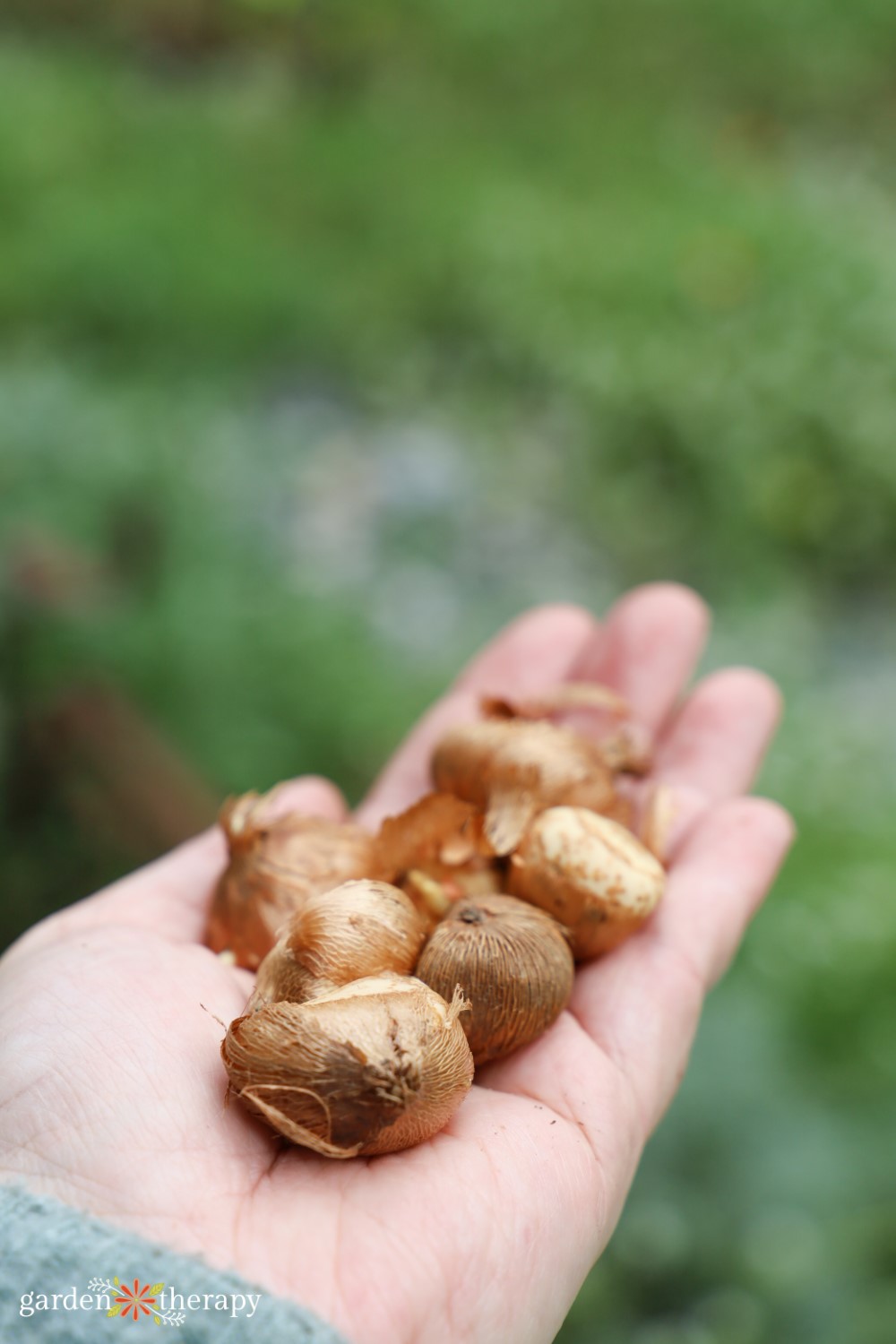
Last fall, I planted over 1500 bulbs in my front yard. Yes, 1500!
Catch up on that project here: planting of the bulb lawn.
Since fall bulb planting has delayed gratification, I had to wait a whole season to see if my hard work would pay off.
I’m happy to say that I had one of the most beautiful springs thanks to all of the flowers.
Oh, didn’t I mention? Instead of grass, I planted wildflower seeds over the bulbs.
DOUBLE FLOWER LAWN!
Let’s dive into what you need to know about naturalizing bulbs in a lawn, and how my first-year flower lawn turned out.
- My Bulb Lawn Design
- A Warm Winter
- The Bulb Lawn in the Summer
- Filling in the Gaps
- What I Learned Growing a Bulb Lawn
- Waiting for Naturalizing
- Cutting Flowers
- My DIY Bulb Mixture
- Low Maintenance for the Win
- Weeds, Oh My!
- What’s Next for My Bulb Lawn?
- More Resources for Growing Bulbs This Fall
Sponsored Content: I’m so happy to be working with Flowerbulb.eu once again after they sponsored the first planting of my bulb lawn last year. They don’t sell flower bulbs; their goal is to spread information about bulbs. They’re truly an amazing resource to learn about spring and summer flowering bulbs, with plenty of tips on how to plant them.
My Bulb Lawn Design
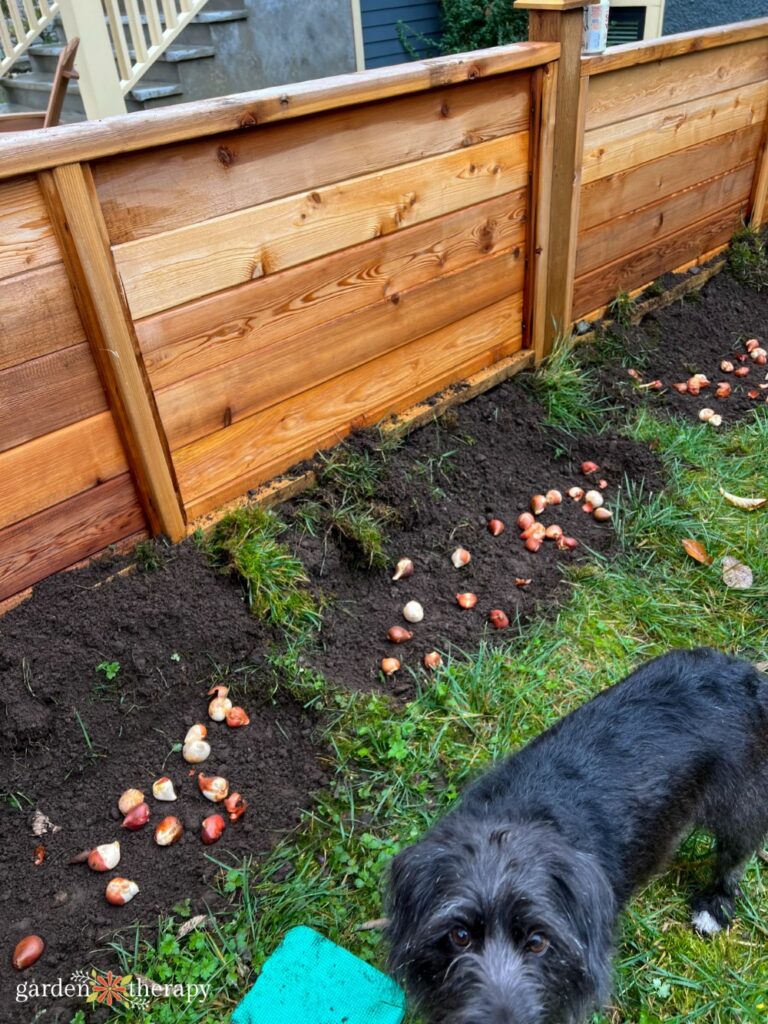
My front lawn was a mix of patchy grass, weeds, and moss. The grasses were struggling, so to keep some green and avoid a winter of mud, I dug out little shapes and islands throughout the lawn.
I made my own mix of ten different bulbs, including narcissus, anemone, dwarf iris, snowdrops, muscari crocus, tulips, and Lucile’s glory-of-the-snow. I have an entire post about how I planted and designed my bulb lawn, including the complete bulb mix I used. Read all about that part of the process here.
A Warm Winter
In February, it was so warm with El Niño that we started to see some early signs of spring. I thought, why not follow Mother Nature’s lead?
I loaded in tons of topsoil and put it over the existing lawn, and graded the lawn. Once I raked it all out, I spread the wildflower seeds on top. Just in time, as the bulbs began to come up.
In no time, you could see all the bulbs beginning to come up and the little seeds germinating.
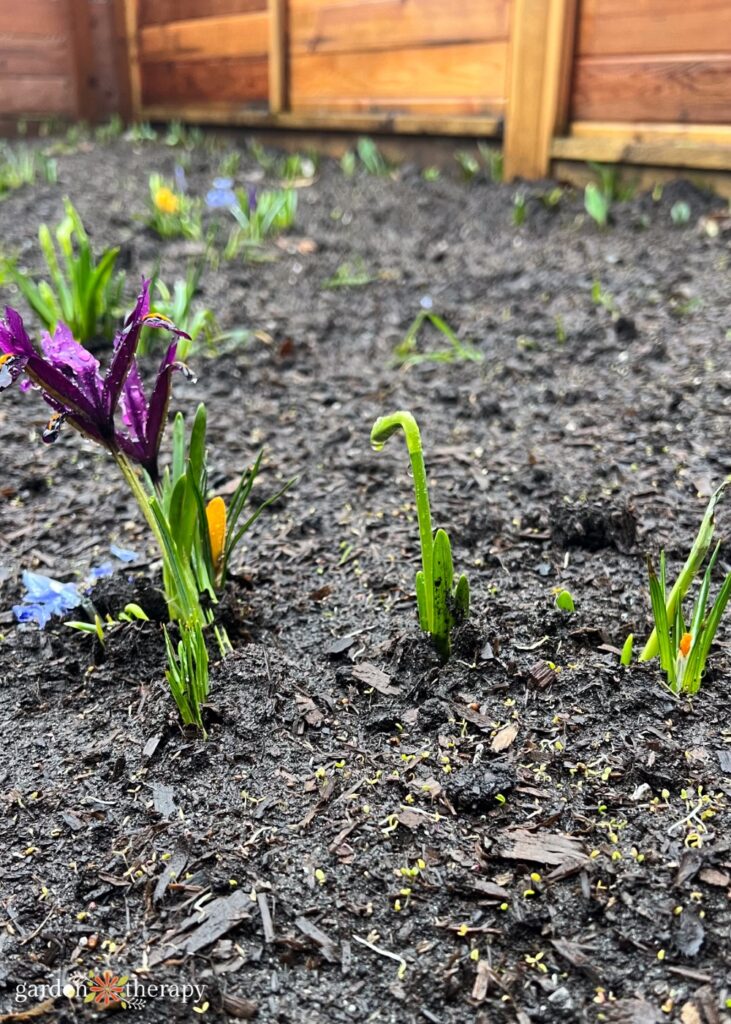
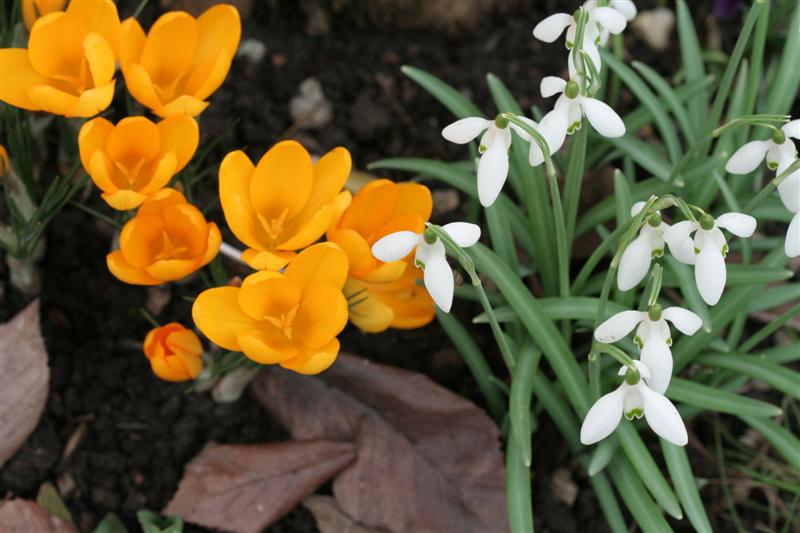
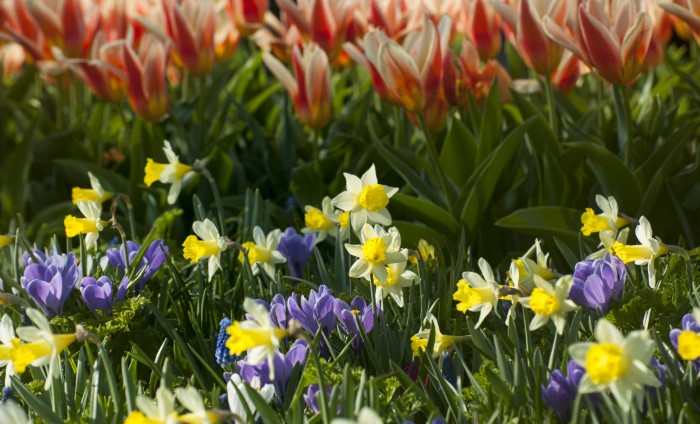
The successes were certainly the narcissus and grape hyacinth. They grew in plentiful clusters and looked striking together. At that same time, the anemones bloomed on cute, short stems.
I had fewer snowdrops, crocus, and iris, but they were still hiding amongst the other bulbs. I anticipate they need a few more years to naturalize and then I really have a big wow factor.
Here’s a look at the different stages of the bulb lawn in its first year! Can you believe it already looks this good!?
The Bulb Lawn in the Summer
After the bulbs had their spring welcome party, they went dormant for the summer. Since I don’t mow my lawn, it allowed the bulbs to recharge (my wildflower lawn doesn’t need mowing either).
I started the wildflowers from seed, so there was a constant flush of flowers on my lawn well after the bulbs were gone. The bulbs really steal the show in the spring, and give my seedlings a chance to germinate and grow. A perfect pairing!
From spring to summer, I had people stopping to admire my lawn and all its beautiful flowers.

Filling in the Gaps
What are the jobs to do one year later? Not much! I’m adding 200 assorted crocus bulbs to add a bit more colour to the early spring.
While 200 isn’t very many, it’s a boost to the spaces that were looking a bit bare. My lawn also isn’t super large, so it will be enough to make a difference.
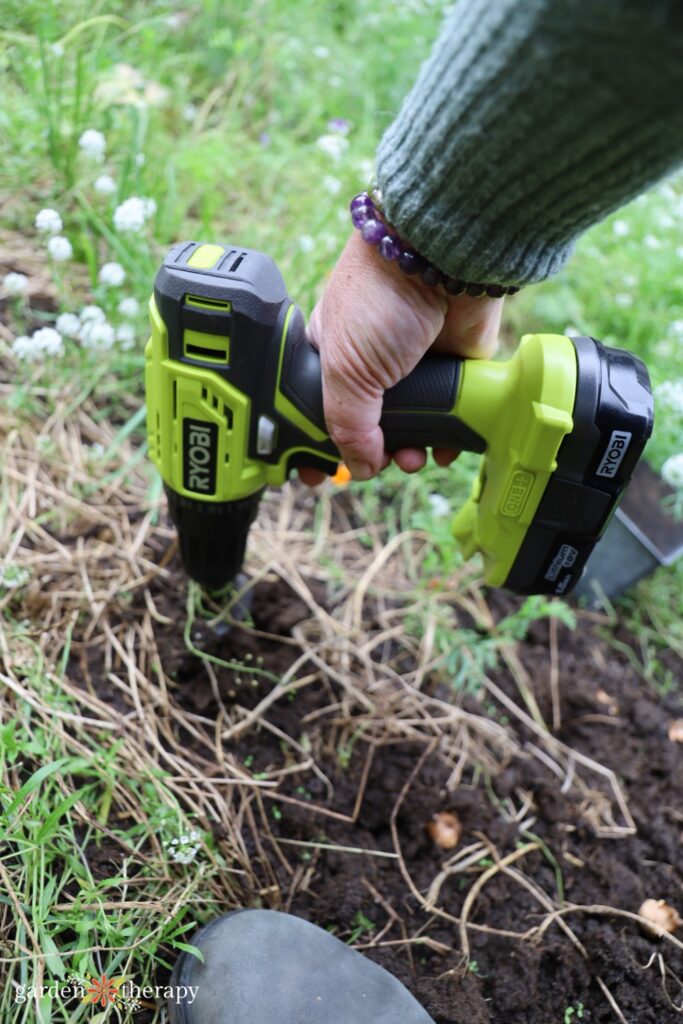
To plant the crocus bulbs, I used an auger attachment for my drill to loosen up the soil and make planting holes. I moved the wildflowers aside gently and planted where there was some bare space. I planted the crocuses in groups of 8-10, pointy side up and about 4” deep. Next year, there will be a wave of flowers that will fill out more each year.
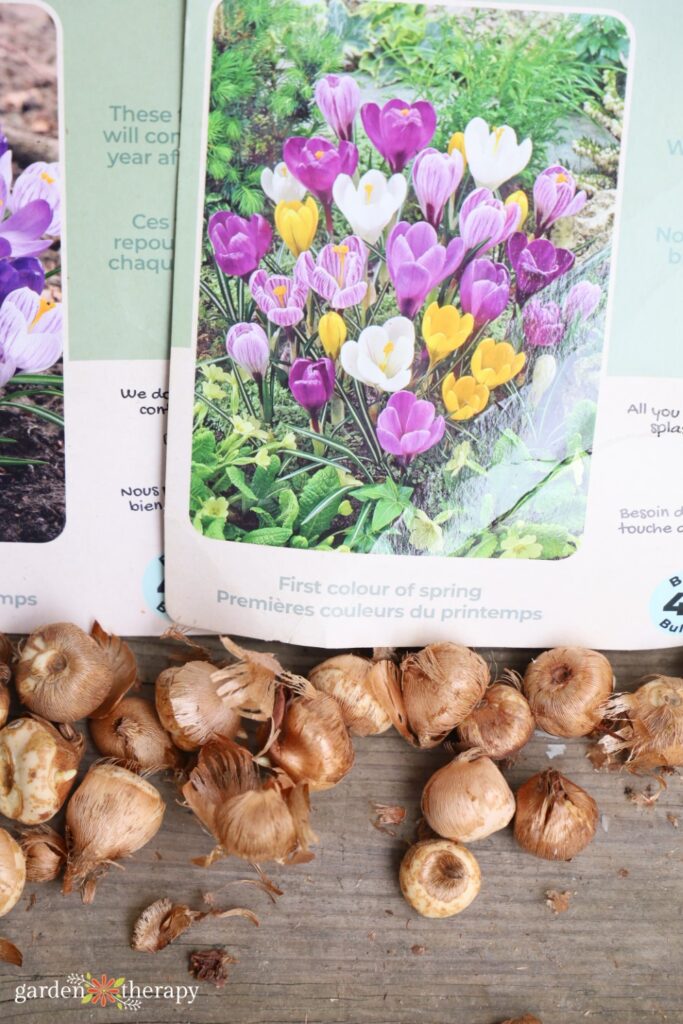
Since I had more than enough flowers to go around, I realized I also loved cutting some and bringing them inside. So, I also ended up adding 250 more tulip bulbs to my garden as well, with the sole intention of using them to cut for indoor arrangements and to gift to friends as a little bundle of flower joy.
What I Learned Growing a Bulb Lawn
Sometimes, it was rainbows and sunshine, and sometimes, it was shade and mud. Here are my biggest takeaways from my first year.
Waiting for Naturalizing
It does take a few years for the bulbs to naturalize and multiply to really fill in the lawn.
On the other hand, with 1500 bulbs planted, so many flowers sprang up that visitors truly did stop and stare. Takeaway: people only notice the blooms. While I, the gardener, noticed the bare spots and mud from my spring-addition-top-soil-layer, the folks who walk by just see the flowers, smile, and tell me how much they enjoy my yard. Love!
This is the most beautiful result of my bulb lawn: the joy it has brought to my neighbourhood. Every time I went outside, people would stop me to talk about the flowers. Those who have lived in this neighbourhood for years talked about how they watched the previous owners struggle with the turf grass and that they appreciated my new direction.
Cutting Flowers
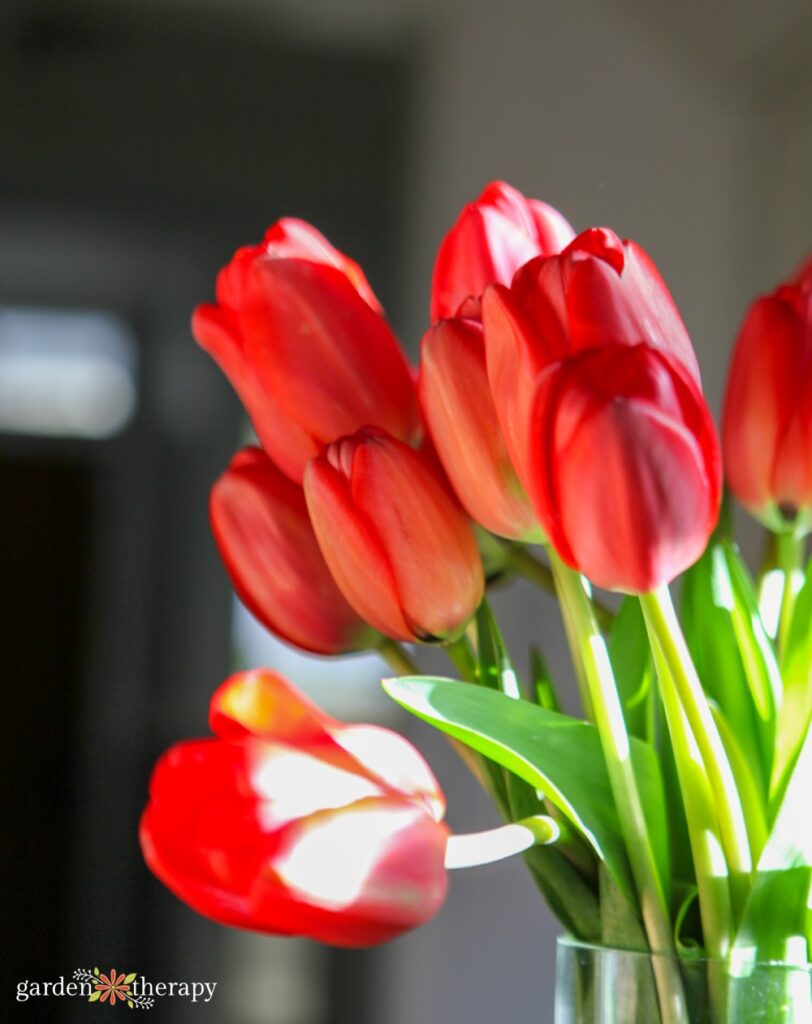
Last fall, I didn’t even think I was planting a lawn full of cut flowers! As the bulbs grew in and bloomed, I has so many tulips, narcissus, and muscari that I began to cut some and bring them inside rather than purchase a bouquet at the grocery store.
While most are short stems, a bulb lawn can still be a creative way to have a cut flower garden with little fuss. They won’t take up room in the flower bed, and you can choose to cut them or leave them as you wish. Tulips and daffodils are some of the best cut flowers for spring.
My DIY Bulb Mixture
For my bulb lawn, I mixed ten different kinds of bulbs together. I loved how easy it was to plant and that you got such a mixed, dotted lawn.
That said, if I were to do this again, I wouldn’t mix 10 types of bulbs; I would only choose 4-6 varieties, max. Same amount of effort, but there is more impact with many of the same flowers rather than a smattering of 10 different types.
Even better, I would purchase a mixture of bulbs designed specifically for naturalizing bulbs in lawns. I made my own mixture, but bulb sellers do a great job of curating mixes for succession blooming and naturalizing.
Low Maintenance for the Win
My bulb lawn was incredibly low-maintenance. After the work of planting the bulbs, I pretty much did nothing else! It didn’t require any supplemental water, which is amazing.
I only watered my entire lawn once this summer, so the wildflowers did great as well.
As I mentioned above, I also didn’t have to mow. Without turf grass, I didn’t have to worry about having long, unruly grass while I waited for the bulbs to recharge.
Weeds, Oh My!
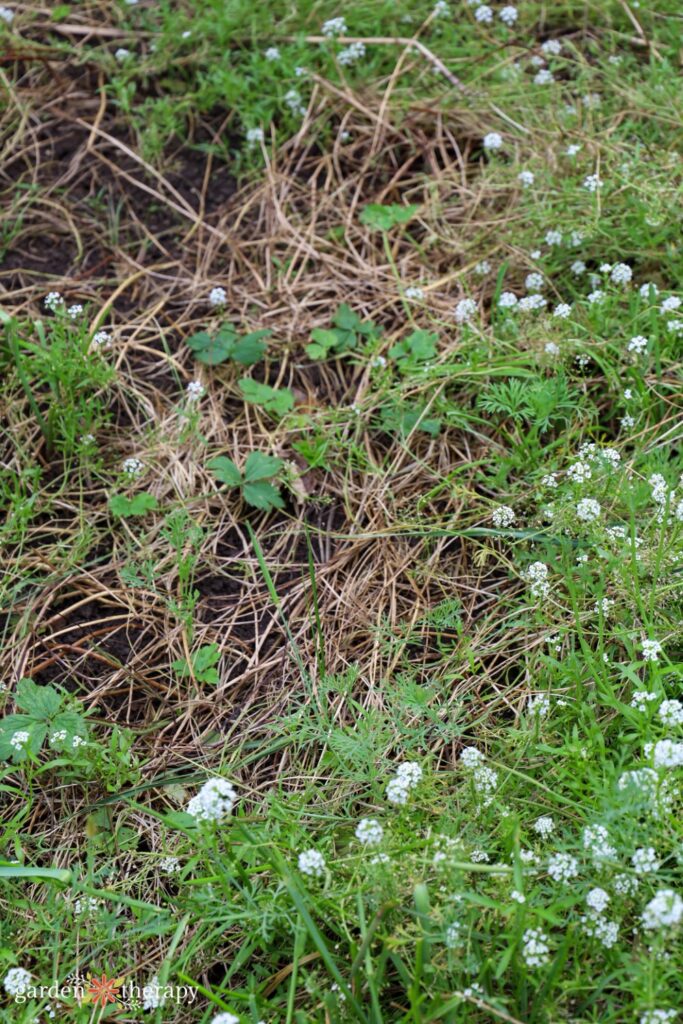
When I planted my bulbs and my wildflower lawn, I didn’t weed much. Next time, I would spend more time removing the weeds.
I didn’t pull out the weeds in my first go of planting, but they started taking over this summer and crowding out the wildflowers. I spent a couple of hours pulling out all the weeds, so it wasn’t a huge job, but it is easier before they spread. While not every weed is a problem, and I leave many to naturalize, I would recommend removing the really stubborn, difficult ones ahead of time.
What’s Next for My Bulb Lawn?
In the next couple of years, I will continue to learn what a bulb and wildflower lawn looks like as it starts to mature. A few more bulbs, a bit of seeding, and some clean up here and there to keep it tidy. That’s all this lawn needs. No water or mowing needed, and still I get the most beautiful flowers.
You can never have too many bulbs. However many bulbs you think you’re going to plant, double it, heck, triple it! You can’t get too many bulbs.
So now, my next steps are really to do nothing, just as I’ve done for the rest of the year. Which is truly the dream from a regenerative gardening standpoint.
I’m going to let the garden naturalize, sit back in front of the fireplace, read some wonderful books, and expect to be wowed with even more flowers next spring!
More Resources for Growing Bulbs This Fall
- Design and Plant a Front Yard Bulb Garden and Lawn
- The Unknown World of Tulips: Types of Tulips to Grow in Your Garden
- Stinzen Planting: Build Community With Bulbs and Your Sidewalk Strip
- Beyond Tulips: 12 Extraordinary Spring Flowering Bulbs to Plant in Fall
- How to Plant Fall Bulbs for Long-Lasting Spring Colour


A city girl who learned to garden and it changed everything. Author, artist, Master Gardener. Better living through plants.

What a fabulous idea and story! Boy, I know what I want to, and this is it! I can’t wait to start getting bulbs and seeds. Thank you, thank you.