

Air plants are pretty fascinating—unlike other plants, Tillandsia requires no soil to grow. This makes them a versatile and beautiful addition to any indoor space. However, just because they don’t need soil doesn’t mean they don’t require special care. If you find your plant is looking less than stellar, use this guide to troubleshoot and learn how to revive an air plant.
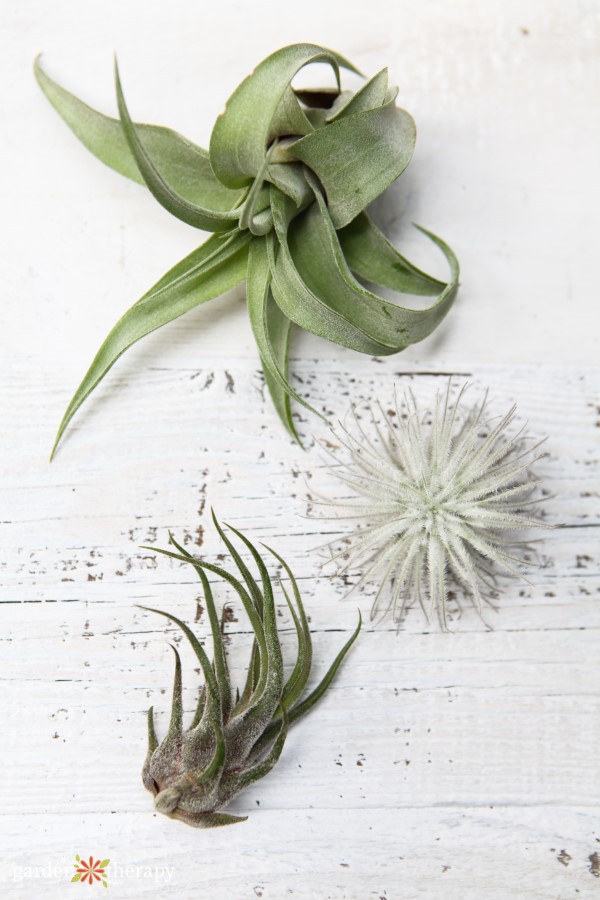
Got a dying or dead air plant? If your air plant is looking dull, a bit brown, or limp, there’s usually one culprit: watering! In fact, these signs could mean that it is very thirsty!
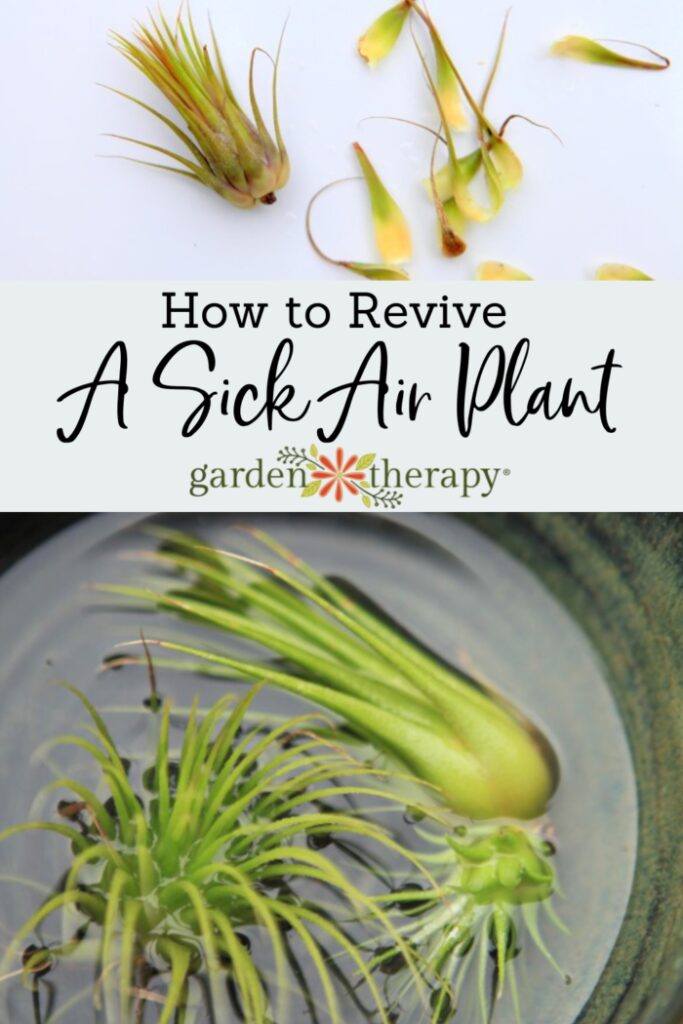
To revive a sick air plant that has been a tad neglected, shipped from far, far away, or is just looking a little under the weather, this air plant care guide will show you how to perk it back up!
This post will cover…
- Do I Have a Dead Air Plant?
- How to Revive an Air Plant
- Give the Air Plant an Overnight Soak
- How Long Should I Soak My Air Plant?
- Make Sure Your Air Plant Has Air!
- Remove Dead Leaves
- Look at the Tips of Your Air Plant
- What if My Air Plant Falls Apart?
- Sick Air Plant FAQ
- More Tips for Growing Air Plants
Do I Have a Dead Air Plant?
Just like anything, there is a point of no return when it comes to air plant health. That being said, people often think they have a dead air plant when in reality the plant is just struggling a bit but can easily be nursed back to health.
A dead air plant will be completely rotten, AKA all the leaves are mushy at the base and will fall off. Or, it has already turned brown and crunchy.
In most cases, air plants are not truly dead but instead in the process of dying. This means that with a little TLC, your Tillandsia can perk back up and even begin to thrive!
How to Revive an Air Plant
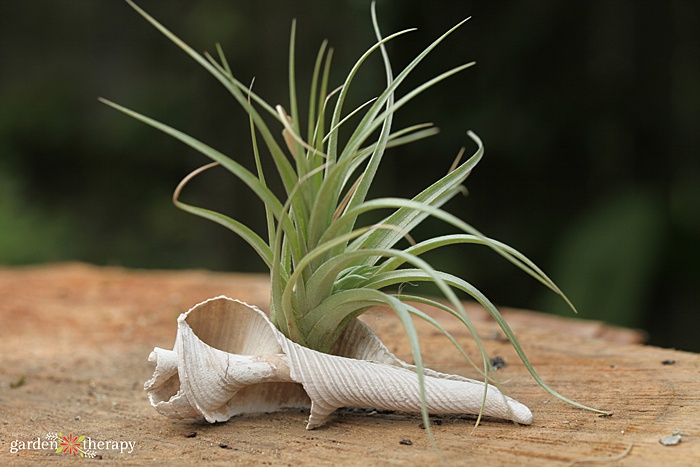
A healthy air plant should have leaves that range from green to gray. When you pick up the plant, it should stay intact. In other words, on a healthy air plant, leaves should not fall.
There are several things you can do to revive a plant. Here are the steps I take to help my air plants regain their health.
Give the Air Plant an Overnight Soak
The first place I always start when I’m reviving an air plant is with watering. Remember, air plants don’t require soil, but that does not mean they don’t need water. Just like every other living being, water is absolutely essential to air plants!
Since air plants do not have soil, they have to absorb moisture and that all-important water through their leaves rather than a root system. There have been too many times I have heard that garden centers recommend spritzing air plants with water a few times a week. In my experience, this is not enough water and will leave the plant thirsty. If this happens long enough, it will lead to a dead air plant, sadly!
How Long Should I Soak My Air Plant?
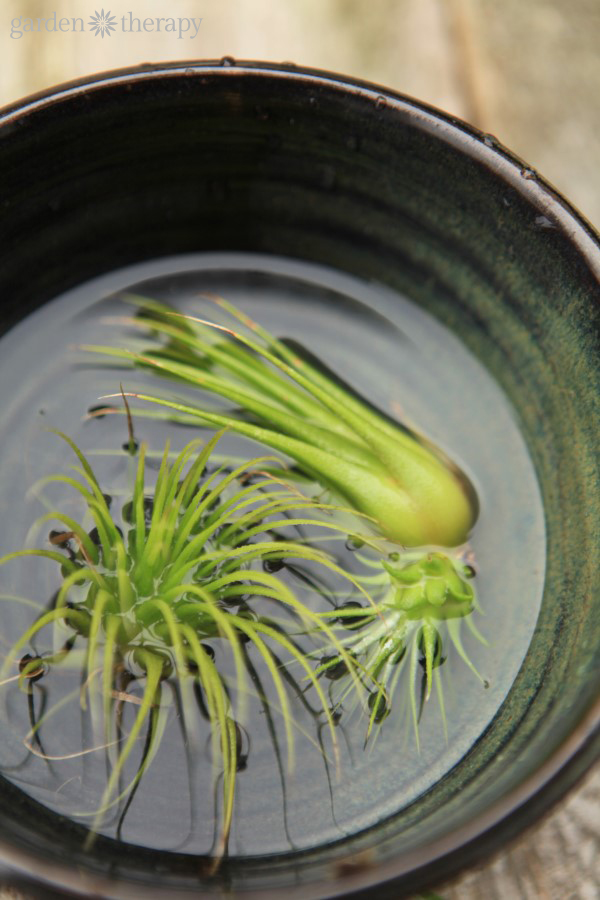
To ensure my air plants meet their water requirements, I give them an hour-long bath. In the warmer summer months, I do this weekly, and in the winter, about every three weeks or so. I live in the rainforest, so I like to use rainwater. However, you can use tap water as well! Just leave the water out for 24 hours to allow the chlorine to evaporate.
Then, simply remove the air plant from whatever container it is in and submerge it in a bowl of water. The bowl should be large enough that the plant can submerge totally.
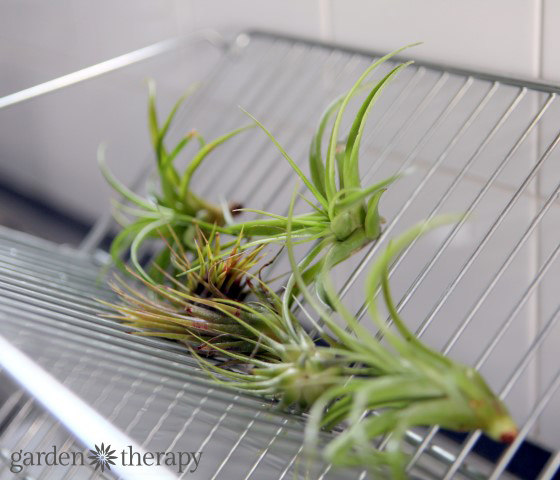
Leave it in the bath for an hour or so, then take it out. Give your air plant a few gentle shakes while upside down to make sure the water isn’t pooling in its leaves.
Tip the air plant upside down or on its side to ensure it has fully dried out before placing it back in its container. Pooling water can rot your air plant, so don’t skip this step.
For troubleshooting and for even more information on proper water, read this article I put together about how to water air plants.
Make Sure Your Air Plant Has Air!
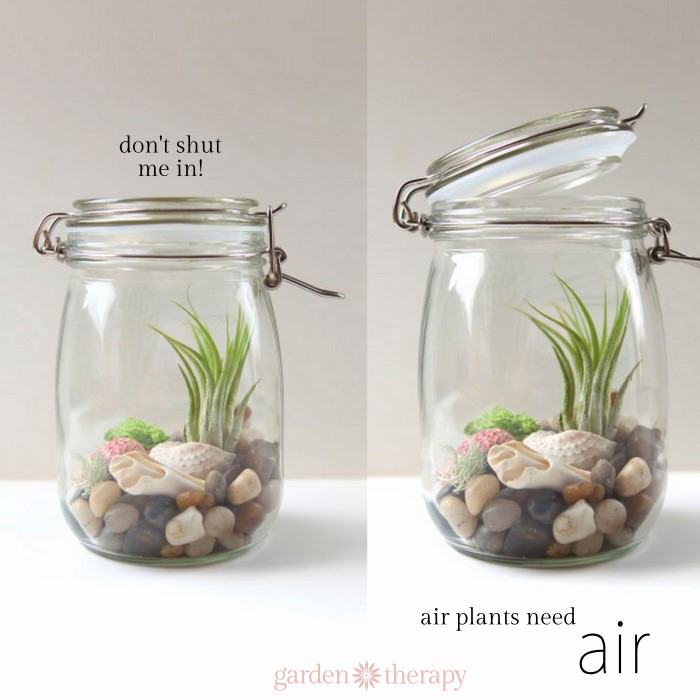
This may seem obvious, but your air plant needs oxygen to live! There are many images floating around of air plants stored in a closed jar that make me shake my head—the plant cannot survive in an airtight environment!
The solution is easy—you can still keep your cute jar terrarium, but make sure to leave the lid cracked or open so air can circulate freely.
Remove Dead Leaves
You’ll also want to remove any dead leaves from a sick air plant by gently tugging at them to see if they come off. If they remove easily, they are dead. If the whole plant falls apart when you do this, you’ve got a dead air plant that has already bit the dust, unfortunately.
However, if only a few leaves come off and the inside leaves are green and healthy-looking, your air plant is going to make it with the proper care!
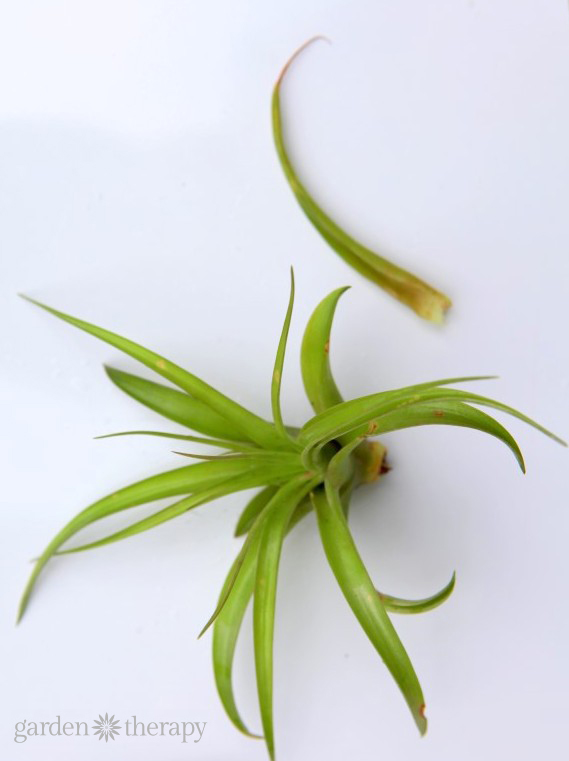
Look at the Tips of Your Air Plant
If the tips of your air plant are turning brown, try using rainwater or unchlorinated water, as described above. If you are not giving them chlorine, but they are still turning brown, then your plant may not be getting enough water.
Give them an overnight bath, then make sure that you are bathing them more often.
What if My Air Plant Falls Apart?
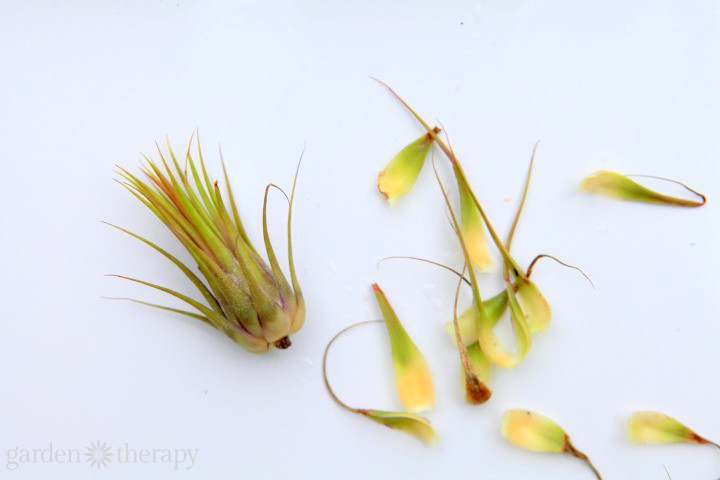
If you have a green air plant that just falls apart, you’ve got a dead air plant on your hands. This probably occurred due to sitting in standing water too long, or it was not shaken off properly after bath time.
Read the section about watering again, and you’ll surely have better luck with the next one!
Sick Air Plant FAQ
First of all, congratulations! It can be hard to get an air plant to bloom, so you’re doing things right. Air plant flowers should not get wet, as it can cause them to rot. Try to water your air plant by submerging the leaves only, and not the flower.
Yes, you can remove the flower. It should fall off on its own, but you can also cut it back to where it is brown. Now that the plant has flowered, it should set pups, and the mother plant will die back. Don’t be concerned when this happens because it’s all part of the life cycle.
Changing colours for an air plant can mean a lot of different things, especially since there are so many varieties. If it’s brightening, it’s likely blooming or adapting to the environment; this is no cause of concern. Many tillandsias turn redish.
If the colour is fading, it might not be getting enough light or water. If there is brown or black colouring, especially at the base, this could be a sign of rot.
This is one of my pet peeves about air plants because it’s difficult to take care of them once they’re permanently attached to something. If you’re able, you can try to soak the entire thing, but this can make it difficult to dry properly, so your air plant can rot. Your best bet is to spritz it regularly, every day if needed.
I keep my air plants in these homemade wire and rock displays where I can easily remove them for their bath.
I hope this guide helps you revive an air plant and keep your plant collection thriving! If you love air plants as much as I do, be sure to check out the articles below.
More Tips for Growing Air Plants
- How to Properly Water Air Plants
- All About Air Plants
- Air Plant Holder with Rock and Wire {DIY Air Plant Display}
- This Lush Living Air Plant Wreath Has a Secret
- What Type of Air Plant do I have? Identify and Care for Common Varieties
- How to Make a Stunning Sand Art Terrarium

A city girl who learned to garden and it changed everything. Author, artist, Master Gardener. Better living through plants.



Thankyou so much! Going to try and revive my air plant. I found your two blog posts on the topic very helpful :)
Hi….
I want to ask some question about my air plant, as we know that these plants take their needs directly from the air. In treatment I do not give a lot of water and fertilizer, also need adequate sun. I are asking, why the base of the plant is rotten.
While it’s true that fresh air is one of the basic needs of air-plants, so is bright sun and water. I soak my plants in water more than once a week and fertilize (with Tillandsia fertilizer) once a month. After soaking your plant it is essential that you shake out and remove any drops of water. In certain tillandsia species, the bulbous base of the plant holds on to water, which is why I think your plant may have developed rot. I’ve been growing air-plants for years and lost a few nice ones due to water hidden in the base of the plant. While some species require more waterings than others, if they are to grow and bloom, they need more waterings than most are aware of. On the other hand, once watered, they need to dry completely within a few hours. Inspect the plants for places where water can hide and shake it out or dry on a paper towel, and never leave your plants to sit in moisture. From my experience, not allowing plants to dry thoroughly after necessary waterings is the main cause of dead plants.
Hi Rich, you are right about proper waterings, etc. While I mention shaking them off in this article, I have a much more detailed article that goes alongside this one that I refer to as well https://gardentherapy.ca/all-about-air-plants/
In Germany in some reagions we have a great amount of chalk in our tab water. At some website i’ve once read that this would probably jam their leave pores. Which water can i use instead (besides rainwater)?
How about purchased distilled water or spring water? What do you water houseplants with?
Thanks for the tips. Is it easy to propagate more plants when they are healthy? (i.e. do they send off little shoots?)
We have chloramine in our water, which doesn’t evaporate over time. Maybe something to mention in your post, to not use tap water at all in that case?
Great tip, Laurie. Yes, they absolutely will send out pups from the base that you can break off and grow as new plants. They are slow growing and the pups are more susceptible to drying out. So be sure to keep them on the mother plant as long as you can, then care for them carefully.
My air plant has a pup for about eight months. When and how do I take it from the mother? Thank You when I get your answer.
Hi! It should be able to gently break off. As long as it comes off fairly easily, it is ready to be removed. Note that the mother plant doesn’t always survive though. Some set pups at the end of their life cycles.
My air plants were doing great and all of a sudden one died and the other doesn’t look happy. It’s leaves are turning brown and curling, even after I’ve given it water. Do you recommend I do an overnight soak? I’d hate for it to rot!!
Hi Alisa, yes, I would recommend an overnight soak. Afterwards shake it out well and allow it to dry. If it is still not doing well then it is probably at the end of its life. Did it have babies? If they set pups and flower, then the air plant mother can die off soon after.