

Do you have an unused patch of your yard that’s screaming to be turned into raised veggie garden beds? Don’t make the mistake of throwing away all your turf and bringing in brand new soil. This project is about converting nutrient-rich lawn into the most productive vegetable garden in town. Learn how to turn your thirsty and high-maintenance lawn into a raised bed garden this year!
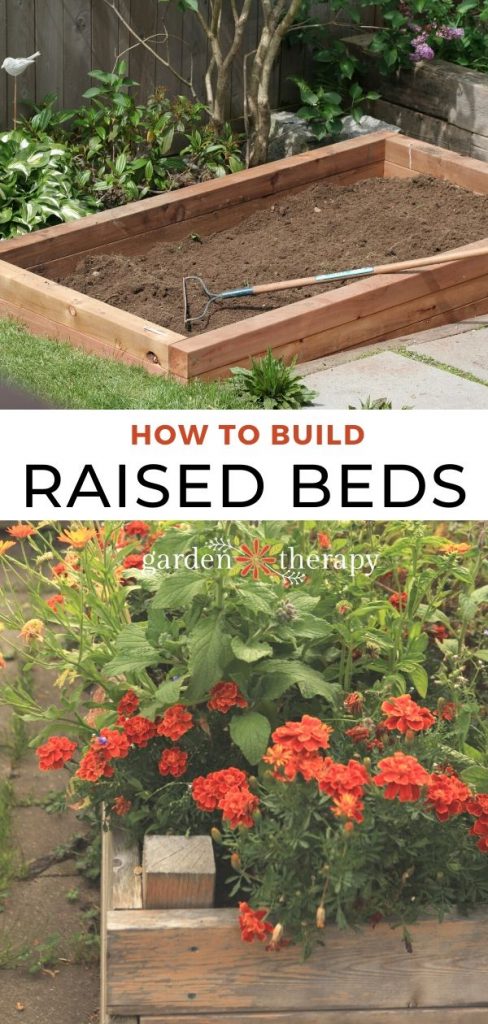
Raised Garden Beds On Your Lawn
This project covers how to convert your lawn into a prolific vegetable garden without waste. Untreated turfgrass makes a nutritious base for your raised bed and will reduce the need for additional soil.
Converting Lawn into a Vegetable Garden With Raised Garden Beds
It seems that every spring, I see piles of removed turf in the back alleys as another gardener removes their lawn to put in a vegetable garden. What a waste!
If the lawn was cared for organically, then the grass, roots, and soil will break down to make some nitrogen-rich soil to feed the roots of your garden plants. This also means that you won’t need to haul the turf to the dump and buy new soil.
Can you believe that’s what people do?
It’s true!
It happens every year and I hope to do what I can to spread the word that there is a less wasteful and less expensive way to convert lawn to garden.
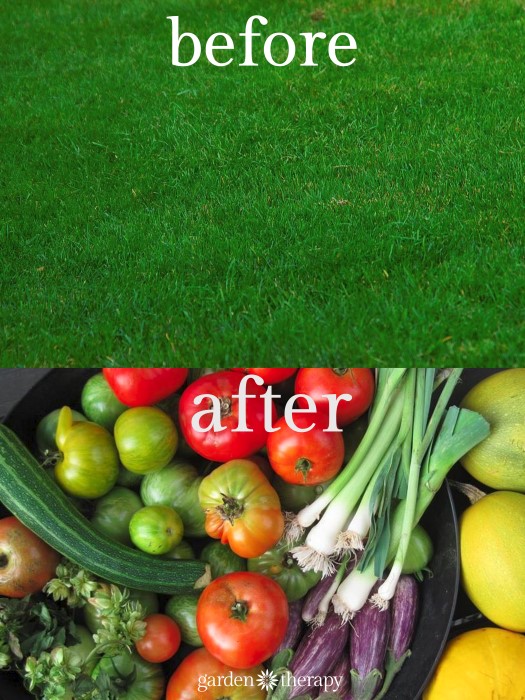
If you are wanting to use up every spare space you might have in the yard, here is a list of materials and instructions you’ll need to convert your lawn into a vegetable garden with raised garden beds.
Materials
- Garden hose
- Turf cutter or spade
- Shovel
- A strong back (hah!)
- Newspaper or cardboard
- High-quality organic vegetable garden soil
Make it!
- Map out the space that you want to convert to a raised bed garden with a garden hose or flour.
- Remove the turf from the area and set aside.
- Use the turf cutter, spade, and strong back to cut out the shape of the bed and remove the turf from the area. Set the turf aside.
- Build the bed.
- After you build your bed, flip the turf roots side up in the base of the bed.
- Cover the roots with some newspaper.
- Top the bed off with high-quality veggie garden soil or compost. Then, you are ready to plant!
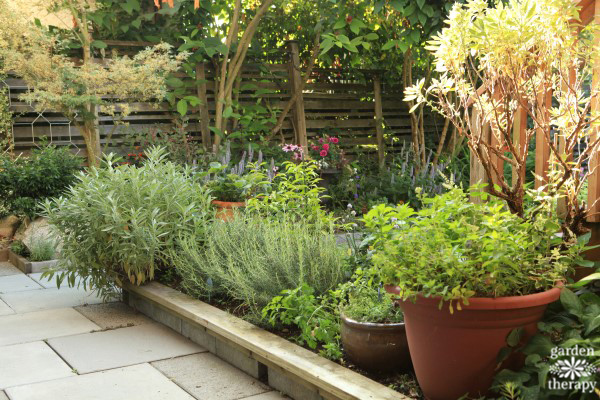
Where to Put a Raised Garden Bed
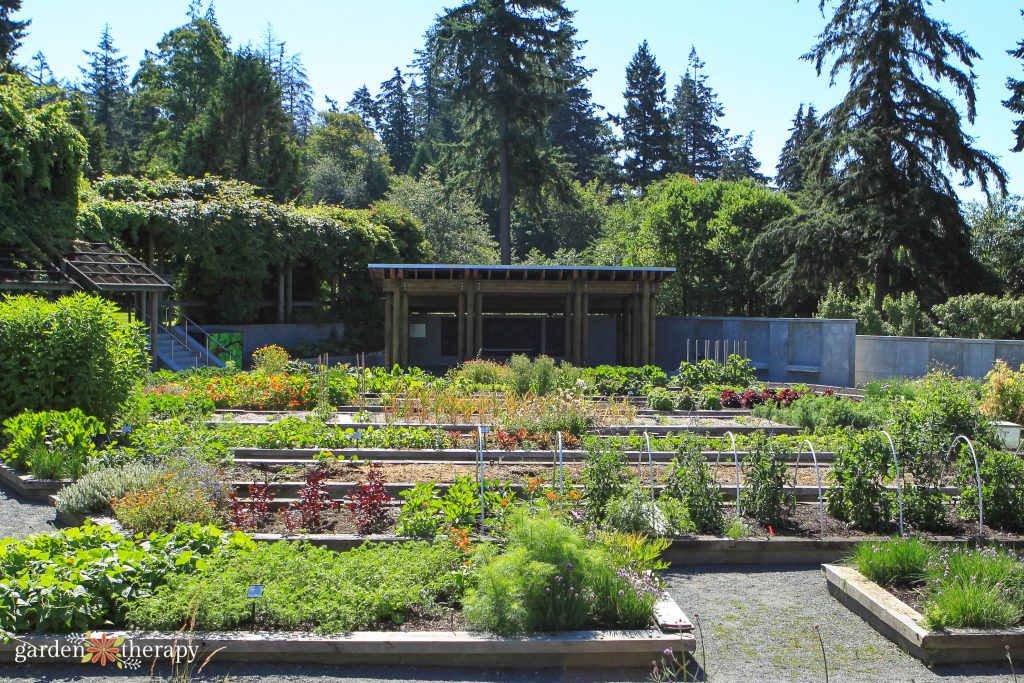
The most important step in building a vegetable garden is to choose the right spot. Most veggies require 8-12 hours of full sun to produce abundantly, so you want to make sure your veggie garden is located in the sunniest part of your yard.
Being close to an outdoor water source is another consideration you will be happy you thought about once summer arrives. Hot, dry days can mean daily watering, so keeping it nearby is a must!
What Type of Lumber is Best for Raised Garden Beds?
Do. Not. Use. Treated. Lumber.
OK, good, now you get that this is important.
Treated lumber contains chemicals that should not be consumed. Chemicals that will leach into the soil and be absorbed by the plants, making the food toxic as well. There are some companies that are now making less toxic treated lumber, but I would still stay away from it. If you choose to use wood, build an organic garden with naturally antibacterial wood, like cedar, for best results.
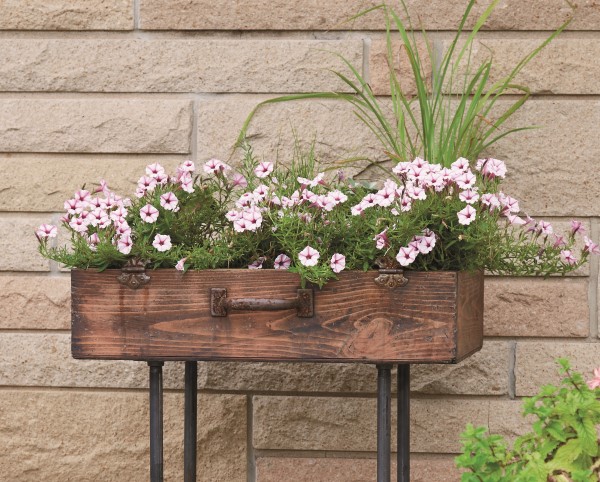
Old bricks and other found materials also make a great raised bed. Found materials often make the most interesting beds, like this suitcase raised bed from Raised Bed Revolution.
How Big to Make a Raised Garden Bed
Beds can be any width and length that fits your space and growing needs.
A good rule of thumb for width is that you should be able to reach the middle from each side. Any wider and you won’t be able to work on the bed without stepping into it (and you should really stay out of the bed to not compact roots and soil). Depth should be at least 12”-18” height to allow lots of room for roots, water, and soil organisms to share the space.
Choose the square footage based on what you want to grow for your family. One square foot of garden will grow 1 tomato plant, 1 head of broccoli, 1 cauliflower, 1 cabbage, 16 beets, or 4-9 heads of lettuce, for example.
Choose the garden bed size based on how much and what you want to grow!
How to Plan Your Raised Garden Beds
Choosing what veggies you love will be the basis of your garden plan. Make a list of everything you want to grow, and then head to your local nursery and buy seeds or veggie starts suited for your area.
Here are some tips for how to Map Out a Garden Plan!
When planting multiple varieties of veggies in one bed, place tall vining plants like tomatoes, peas, beans, and cucumbers at the back of the bed, supported by stakes or trellises. Next, plant large vegetables like squash and then smaller veggies like basil, peppers, and eggplant in front.
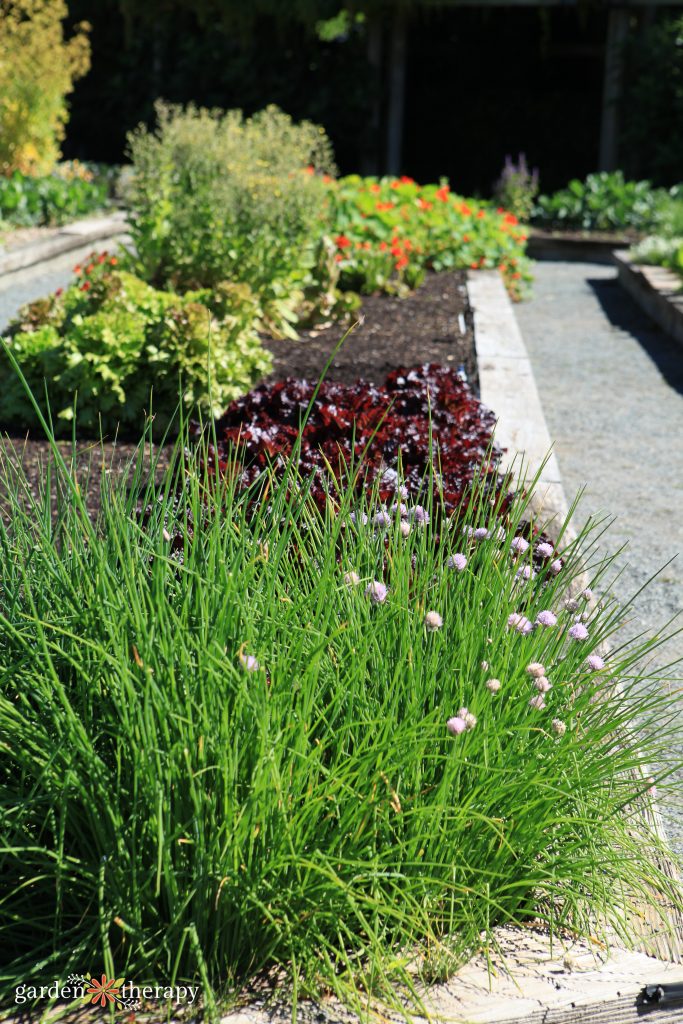
I like to tuck compact bunches of green onions, marigolds, and herbs all around the garden bed to ward off pests and efficiently use the space.
Be sure to space plants for the size they will be when they are fully grown so they have lots of room to mature. Spacing information should be available on seed packets, plant labels, and at the garden center.
Crop Rotation and Companion Planting
Crop rotation is an important factor in vegetable growing! Planting one kind of veggie year after year in the same place will reduce nutrients from the soil and encourage pests.
Changing the types of plants so that one grouping is grown only every 3 years is a good place to start.
For example:
- Year one – Try cabbage, broccoli, kale, and cauliflower with celery, dill, chamomile, rosemary, sage, onions, and potatoes one year.
- Year two – Grow beans, cucumber, peas, radishes, corn, and melons.
- Year three – Grow tomatoes, peppers, basil, eggplants, squash, carrots, parsley, and chives.
Carrots Love Tomatoes is a fabulous book that covers everything you ever wanted to know about companion planting vegetables.
Seeds vs. Starts
Depending on the time of year and type of plant, you may choose to start seeds or buy vegetable starts. Have a look through the many articles in the Seed Starting Series for the basis on how to do it yourself.
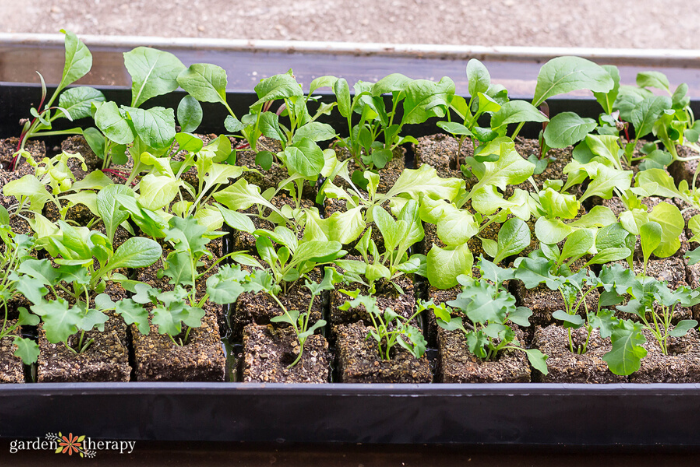
In late spring and summer, starts are widely available and an easy way to get an instant vegetable garden! Varieties are limited but generally what’s available is tried and true, good for a first-year veggie gardener.
How to Maintain a Raised Garden
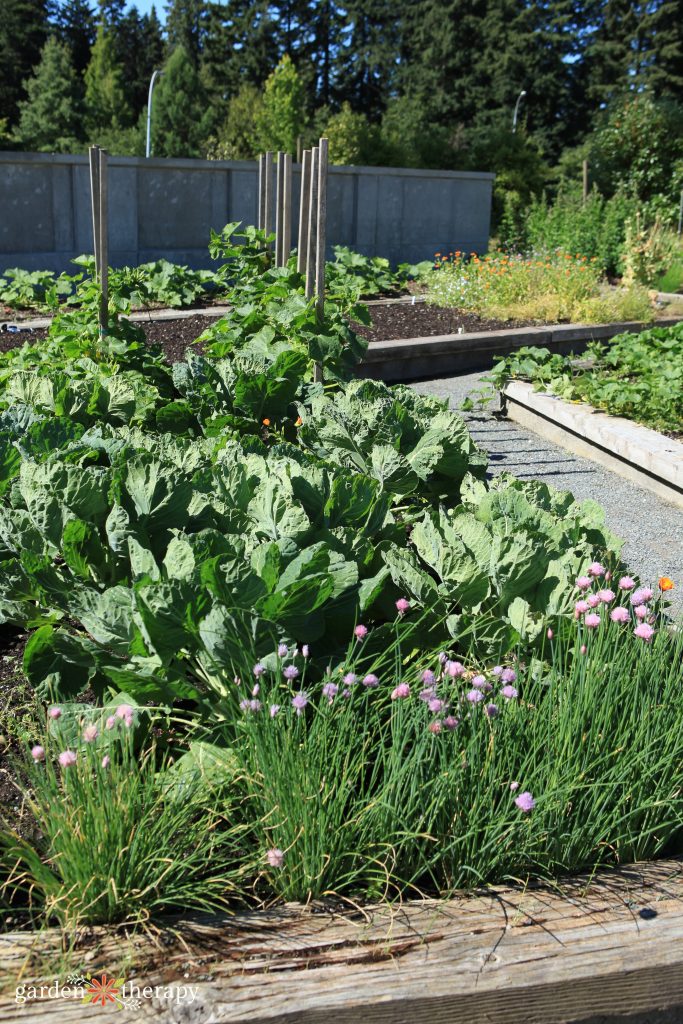
Once the bed is built and planted, maintenance is the name of the game. Make an effort to check on the garden every few days. Inspect the plants and pull weeds when you see them. Check if the garden needs watering by sticking your finger all the way into the soil to check if it’s cool and wet (has enough water) or warm and dry (needs water).
Putter. Munch. Enjoy. The garden is there to feed you, body and soul.
Have fun with it!
Great Reads About Raised Garden Beds
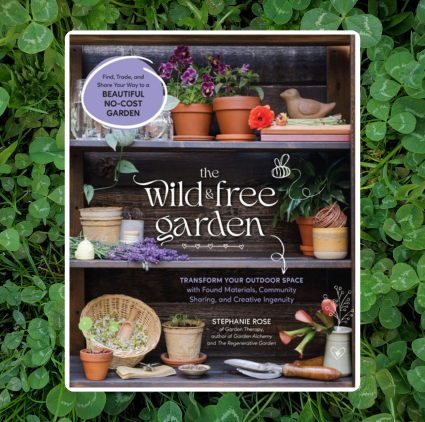
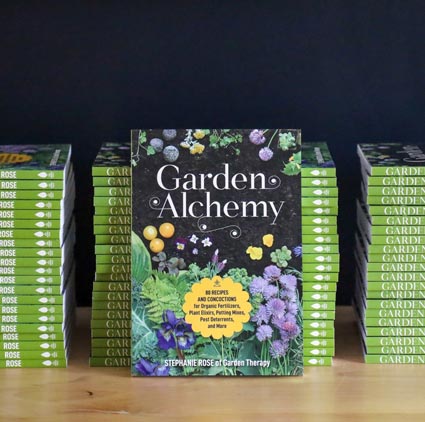
Need more help? Grab some of these great books to help you build the structure and plant the raised bed.
For creative raised bed designs, pick up a copy of Raised Bed Revolution by Tara Nolan. It’s packed with practical design plans for just about every raised bed you can imagine!
Once you are ready to plant, use Niki Jabbour’s, Groundbreaking Food Gardens: 73 Plans That Will Change the Way You Grow Your Garden, as your resource guide. It has 73 novel and inspiring food garden designs for any vegetable garden style that you like!
Frequently Asked Questions About Raised Garden Beds
Here are a few common questions I’ve answered about raised garden beds. I hope they help you too.
The depth of the bed can vary, but it should be at least 6 inches deep at a minimum. This all depends on how much soil your plants need. Some plants will need around a foot of soil for their roots.
The answer can vary, so I wrote an entire post devoted to this topic. Check it out here: How Deep Should a Raised Garden Bed Be?
You can use any type of wood that you like, as long as it isn’t treated lumber. If you can find it, redwood is naturally rot-resistant and will last the longest.
I put turfgrass upside down at the bottom of our raised garden bed. Others put things like leaves and dirt on the bottom layer. If you want, you can put a layer of cardboard on top and then put your rich soil on top of all that. Then, this will break down naturally, creating a nutrient-rich compost as it does.
Need more ideas? Check out this post all about what to put at the bottom of your garden bed.
As you can see, building a raised garden bed on wasted lawn space is a smart way to increase your bounty this year.
More Helpful Posts for Your Raised Bed
- Raised Beds vs. In Ground—Which is Better for Gardening?
- The Best Potting Soil for Plants
- Vertical Garden Bed: A Unique Raised Garden You’ve Got to See
- Secrets to High-Yield Vegetable Gardening in Small Spaces
- The Ultimate Seed Starting Guide

A city girl who learned to garden and it changed everything. Author, artist, Master Gardener. Better living through plants.

We love this method and I have even used cinder blocks as the border. Nothing beats utilizing the space you have in your yard to grow food!
Can you start planting immediately after building the bed, laying the cardboard and newspaper for weed protection , then adding soil on top? The reason I ask is do we have to wait till the paper gets absorbed or planting same day is okay?
Hi H, you can plant right away!
I have grubs in the ground so I probably should not use the grass I. The beds do you agree? Also should I treat for grubs which are toxic chemicals or just get rid of all the grass?
it depends on the grubs. Some just eat turf (chafer beetle) some will go after other plants (Japanese beetle). Why not turn the turn over on a tarp and set out a feat for the birds? They would love to eat your grubs and no chemicals needed. But yes, if the grass was chemically treated, please dispose of it.
I love the idea of turning over the sod but what about sod that has lots of dandelions? And most of the dandelions are well established with 15 inch plus roots. Thanks.